Vertical Farming Pests and Diseases: How to Prevent Them
Vertical farming pests and diseases: Pythium root rot, powdery and downy mildew, aphids, thrips, whiteflies and mites. Symptoms, causes, hygiene rules and pesticide-free control.
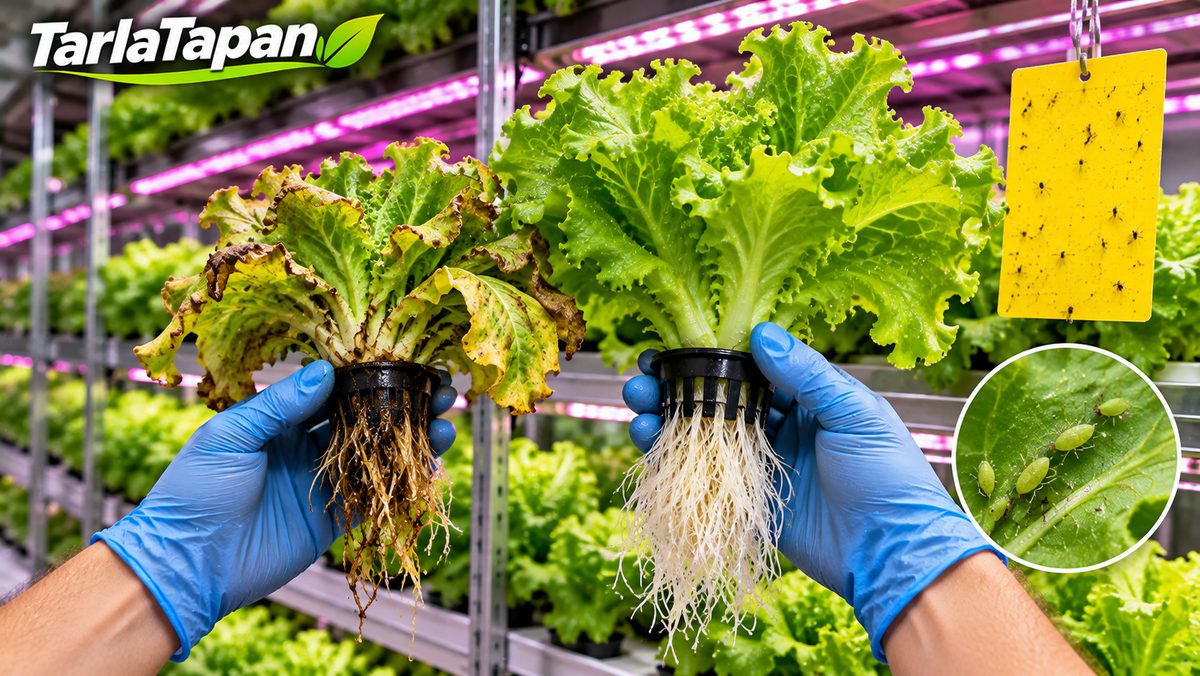
Vertical farming pests and diseases are rarer than in the field, but once they get in they spread very fast. The room is warm, there are no natural enemies and every rack shares the same water. University of Minnesota Extension writes that hydroponic growing protects plants from many soil-borne pathogens, yet plenty of disease problems still occur. In its survey of Minnesota hydroponic farms, the most common were powdery mildew, downy mildew and root rots.
The idea that "closed systems have no disease" is wrong. This article covers the most common diseases and pests, their symptoms and pesticide-free ways to prevent them. For the basics, see what is vertical farming.
Why do diseases appear in vertical farms?
Diseases in vertical farms mostly come from outside plants, dirty equipment, oxygen-starved roots and still air. The German agricultural information centre BZL explains that indoor farms are kept fully closed so pests and pathogens cannot get in. Protection starts with keeping the door shut.
Conditions that favor disease:
- Warm, standing water: UMN Extension notes that systems with supplemental lighting tend to be warm, and warm conditions plus standing water help bacteria and viruses grow and spread.
- Shared water: In a recirculating system, one plant's disease travels to the whole rack.
- Dense planting and humidity: When leaves touch, air cannot move and fungal diseases increase.
- Fully submerged roots: Roots cannot get oxygen and rot.
Root rot
Root rot is the most dangerous disease in vertical farming. The example UMN Extension shows for hydroponic lettuce is Pythium root rot. Pythium is a water-borne pathogen and reaches every plant quickly in a shared-tank system.
Symptoms: Healthy roots are white and firm. Diseased roots turn brown, soft and smell bad. Leaves wilt even though water is present, and growth stops.
Prevention:
- Do not submerge roots completely. UMN Extension warns that too much water keeps roots from getting oxygen and can cause root rot; roots should always touch the water but never be fully immersed.
- Add oxygen with an airstone.
- Keep water from getting too warm; do not let lamps heat the tank.
- Remove sick plants immediately.
- Sanitize the tank, tubing and pots after every harvest.
Powdery mildew and downy mildew
Powdery and downy mildew are leaf diseases caused by fungi and fungus-like organisms, and in UMN Extension's survey they were among the most common problems along with root rot.
- Powdery mildew: White, dusty spots on top of the leaf, as if sprinkled with flour.
- Downy mildew: Yellow, angular spots on top of the leaf with a gray-purple fuzzy layer beneath. Common on lettuce and basil.
Prevention: Air movement is the most important measure. UMN Extension calls ventilation key, recommends following the spacing on the seed packet and suggests adding a fan. Buying disease-free seed is the first item on the same source's list.
Common pests in vertical farms
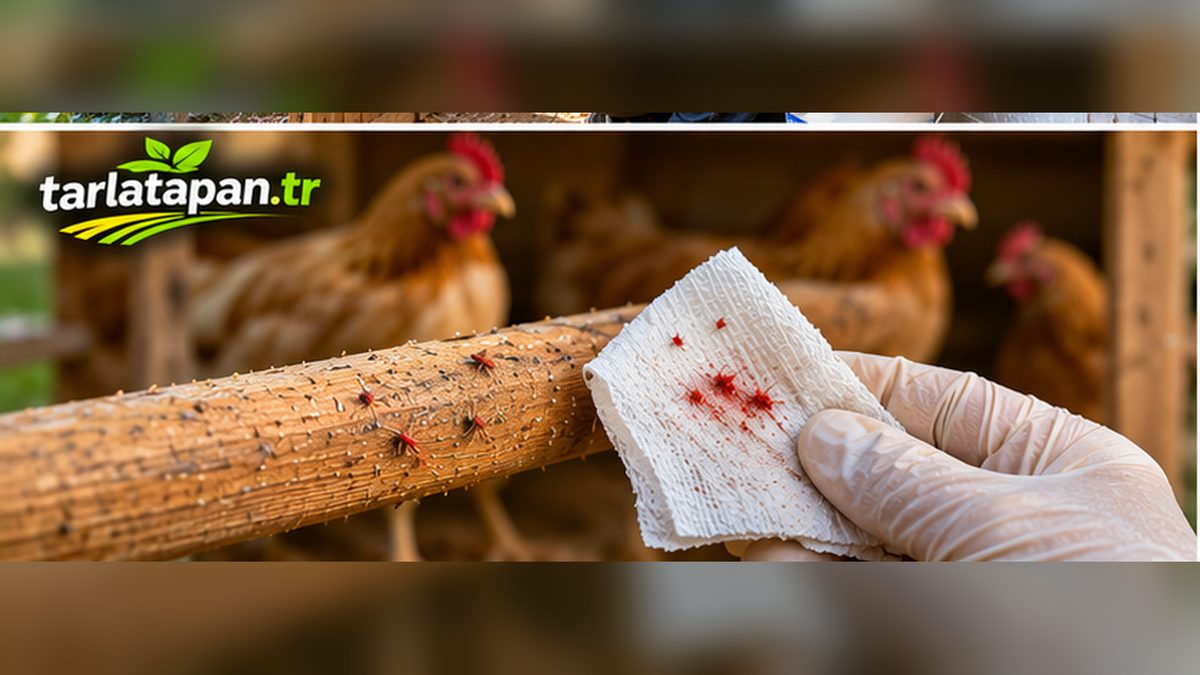
The most common pests in vertical farms are small, soft-bodied insects. According to UMN Extension, the most common indoor hydroponic pests are thrips, mites, aphids and whiteflies. The same source explains that they thrive indoors because there are no natural enemies and the environment is warm and dry, so they reproduce quickly.
| Pest | How to spot it | Damage |
|---|---|---|
| Aphids | Colonies of small green or black insects under leaves | Suck sap, curl leaves |
| Thrips | Tiny slender insects; silvery streaks on leaves | Damage leaves and flowers, spread viruses |
| Whiteflies | Small white flies rising when leaves are shaken | Suck sap, leave sticky residue |
| Spider mites | Yellow speckles on leaves, fine webbing | Dry out leaves |
Pesticide-free pest control
In a hydroponic system, the main pest control tool is cleanliness. UMN Extension says it directly: the primary insect management tool in hydroponics is sanitation.
- Do not bring in outside plants. Outdoor plants may carry insects. Inspect bought seedlings under the leaves before bringing them inside.
- Start clean. Use clean containers and equipment, and empty, clean and sanitize the system between plantings.
- Keep distance from houseplants. UMN Extension advises keeping as much distance as possible between the hydroponic setup and other houseplants.
- Hang yellow sticky traps. Sticky traps and regular visual checks reveal pests early.
- Remove infested plants. According to the same source, if a single plant is heavily infested, removing it is often the best approach.
- Clean by hand. For wingless aphids and mites, leaves can be dabbed with a cotton ball dipped in diluted dish soap and water.
- Break the cycle. If pest pressure becomes substantial, harvesting everything and starting over breaks the insects' life cycle.
- Use beneficial insects. UMN Extension notes that releasing beneficial insects or nematodes is common in commercial hydroponic settings.
In aquaponic systems, pesticides can harm the fish, so hand cleaning and beneficial insects are preferred. We cover aquaponics in types of vertical farming.
Nutrient problems that look like disease
Not every yellow leaf is a disease. In a soilless system the plant takes all its food from water, so when pH drifts or a nutrient is missing, leaves yellow, tips burn and growth slows. At first glance these signs look like disease.
UMN Extension explains that when pH is too low or too high, plants cannot use the nutrients in the water efficiently. When you see yellowing, check pH and fertilizer rate first. If roots are white and healthy and there is no mold or insects on the leaves, the problem is probably nutrition. If roots are brown and soft, suspect root rot.
Hygiene and sanitation
Hygiene prevents both plant disease and food safety problems. UMN Extension warns that bacteria and viruses entering warm, nutrient-rich water can reproduce rapidly, and that over time slimy biofilms form on surfaces, like in a fish tank, sheltering bacteria.
The cleaning order recommended by the same source:
- Drain the water and scrub surfaces with dish detergent and a brush.
- Rinse with potable water.
- Spray or dunk parts in a sanitizing solution. UMN Extension suggests 1 tablespoon of household bleach per gallon of water.
- Do not rinse after sanitizing; let parts air dry.
- Clean net pots, foam boards and everything that touches the water the same way.
During work, wash hands thoroughly before touching the system, change gloves between plants and harvest with clean scissors into clean, sanitized totes.
Disease prevention schedule
| When | Task |
|---|---|
| Daily | Check under leaves and roots, look for wilting |
| Weekly | Check sticky traps, test pH |
| When buying seedlings | Inspect leaves and roots |
| After every harvest | Full cleaning and sanitizing |
| When disease appears | Remove sick plants, empty the rack if needed |
As USDA ARS notes, pest and disease management in controlled environment agriculture is still an active research area. Regular observation is the cheapest insurance. For setup precautions, see how to start a vertical farm, and for the cost impact, do vertical farms make money.
Frequently Asked Questions
Do vertical farms get diseases?
Vertical farms do get diseases, though less often than fields. According to UMN Extension, the most common diseases on hydroponic farms are powdery mildew, downy mildew and root rots. Because water is shared, a disease spreads quickly once it gets in.
How do you prevent root rot in hydroponics?
You prevent root rot in hydroponics by never fully submerging the roots and by adding oxygen to the water. Keep water from getting too warm and remove sick plants immediately. Sanitize tanks and tubing after every harvest.
Do vertical farms use pesticides?
Vertical farms often use no pesticides. According to BZL, closed systems let growers largely do without crop protection products. If pests appear, growers first use sanitation, sticky traps, hand cleaning and beneficial insects.
What is the most common pest in hydroponics?
The most common pests in hydroponics are aphids, thrips, whiteflies and mites. UMN Extension notes that these small, soft-bodied insects multiply quickly indoors because there are no natural enemies. Yellow sticky traps help spot them early.
How do you sanitize a hydroponic system?
You sanitize a hydroponic system by draining it, scrubbing with detergent and then applying a bleach solution. UMN Extension recommends 1 tablespoon of household bleach per gallon of water. Parts are left to air dry without rinsing.
TarlaTapan guides focus on practical, field-tested growing advice. Corrections and suggestions are welcome at info@tarlatapan.tr.