Winter Chicken Coop Care: Cold, Heat and Seasonal Tips
Winter chicken coop care: drafts versus ventilation, frozen water, deep bedding, light and eggs, molting, plus summer heat stress, shade, cool water and airflow for backyard hens.
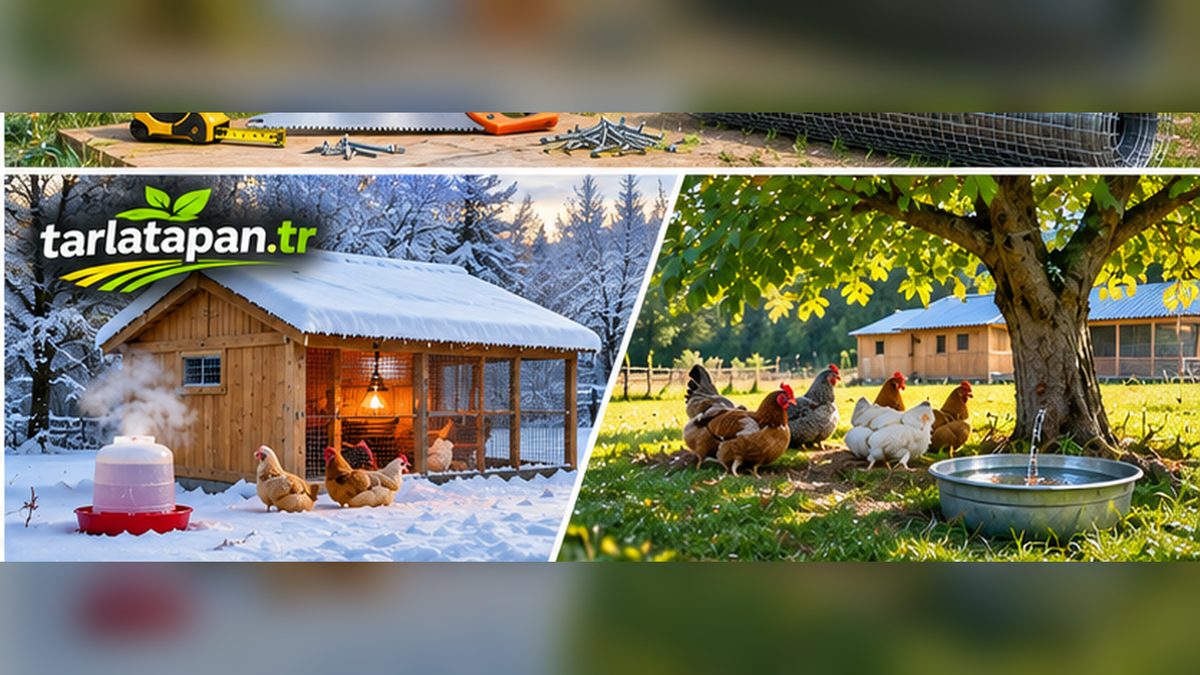
Winter chicken coop care is not about sealing the coop and heating it. It is about keeping the coop dry and draft-free, leaving ventilation open, checking water twice a day for ice and laying down thick bedding. Penn State Extension says poultry handle cold very well as long as they are dry; the real problem is cool, humid conditions. In summer the danger reverses, because chickens tolerate heat far worse than cold.
This article covers what changes in winter and summer. The year-round daily routine is in chicken coop maintenance.
The biggest winter danger: moisture
Many keepers respond to the first frost by blocking every gap. That usually backfires. Hens release a lot of moisture every night through breathing and droppings. If that air cannot leave, moisture condenses on walls and ceiling, bedding gets wet and ammonia builds up. Penn State Extension notes that well-ventilated houses also need good insulation and a vapor barrier, and that poor insulation or ventilation causes moisture to collect on walls and ceilings in cool weather.
The right winter balance:
- No draft at roost level: air must not blow on sleeping birds.
- High openings stay open: warm, moist air must escape near the roof.
- Openings away from the wind: the same source recommends angling air inlets upward.
- Morning check: water droplets on the ceiling or windows mean too little ventilation.
Combs and wattles can get frostbite. The risk rises sharply in damp, drafty coops; in a dry, draft-free coop most breeds handle temperatures well below freezing.
Should you heat a chicken coop?
In most cases, no. Heaters, especially heat lamps, are one of the most common causes of coop fires when combined with dry shavings and dust. Birds in a heated coop never acclimate, and a power cut then hits them harder.
Instead of heat:
- Deepen the bedding to 4 to 6 inches; dry, thick litter cuts cold from the floor.
- Block the windward side with straw bales, a tarp or boards, but keep the high vents open.
- Use wide roosts, such as a 2x4 flat side up, so hens can cover their feet with feathers.
- Add a little extra grain to the evening feed; digestion warms the body overnight.
The exceptions are chicks, sick birds and very lightly feathered breeds, which may need a sheltered separate pen with controlled heat. In snowy weather, scatter dry straw on the run so hens keep going outside and the coop stays cleaner.
What to do when water freezes
A hen without water also stops eating, and laying drops almost immediately. In winter, check water twice: morning and afternoon.
- A sturdy dish where ice is easy to knock out works better than thin plastic.
- Fill with lukewarm water in the morning; it takes longer to freeze.
- Rotate two waterers: one thaws inside while the other is in the coop.
- If you have power, use a heated base made for poultry waterers.
- A sunny, sheltered corner keeps water liquid until midday.
Winter light and eggs
As days shorten, hens lay less, and many molt in fall and stop laying. That is normal. For keepers who want winter eggs, Penn State Extension says one low-wattage light above the feed and water area is enough for most small coops. Turn it on early in the morning to bring day length to 14 to 15 hours; if it switches off suddenly in the evening, hens cannot find the roost in the dark. South-facing windows add light and warmth.
Fall molting
When days shorten in fall, many hens drop their feathers. Laying often stops completely and the bird looks ragged. It is not a disease; the hen is growing a fresh coat for winter. Molting usually takes several weeks, in some birds two or three months.
Feathers are mostly protein, so feed quality matters. Stick to a complete layer or higher-protein feed and cut back on scraps and scratch grain. New pin feathers are sensitive and full of blood, so handle molting hens gently. Molting birds are more sensitive to cold and drafts, so finish fall repairs before molting starts, and let hens rest rather than forcing eggs with extra light.
Summer coop care: heat stress
Chickens cannot sweat. They cool down by panting with open beaks and holding their wings away from the body. That is the first sign of heat stress. Heat stress reduces feed intake and laying, thins eggshells and can kill heavy breeds.
| Sign | What it means | What to do |
|---|---|---|
| Open-beak panting | Heat stress has started | Shade and cool water |
| Wings held out | Trying to shed heat | Increase airflow |
| Not eating, lethargic | Stress getting worse | Move to a cool spot, offer water |
| Lying down, trembling | Severe | Cool immediately, call a vet |
Keeping the coop cool in summer
- Shade: The run needs trees, shrubs, a tarp or shade cloth. Penn State Extension suggests planting low, leafy shrubs in the run for both shade and cover.
- Plenty of cool water: Add extra drinkers in the shade and refresh them two or three times a day. Ice in the water helps on hot days.
- Ventilation: Open every window and vent in summer, all covered with hardware cloth. The same source points out that south windows are a good source of ventilation in summer.
- Fewer birds: A crowded coop heats up much faster.
- Feed at cool times: Digestion makes heat at midday, and hens will not eat then anyway.
- Dust bath: Leave dry soil or sand in the shade; hens cool off and fight mites and lice at the same time.
Seasonal checklist
| Season | Task |
|---|---|
| Fall | Deep clean, seal cracks, repair roof and wire, stock winter bedding |
| Winter | Deep bedding, water checks, moisture checks, optional light |
| Spring | Deep clean, mite check, refresh the run |
| Summer | Shade, extra waterers, full ventilation, weekly mite check |
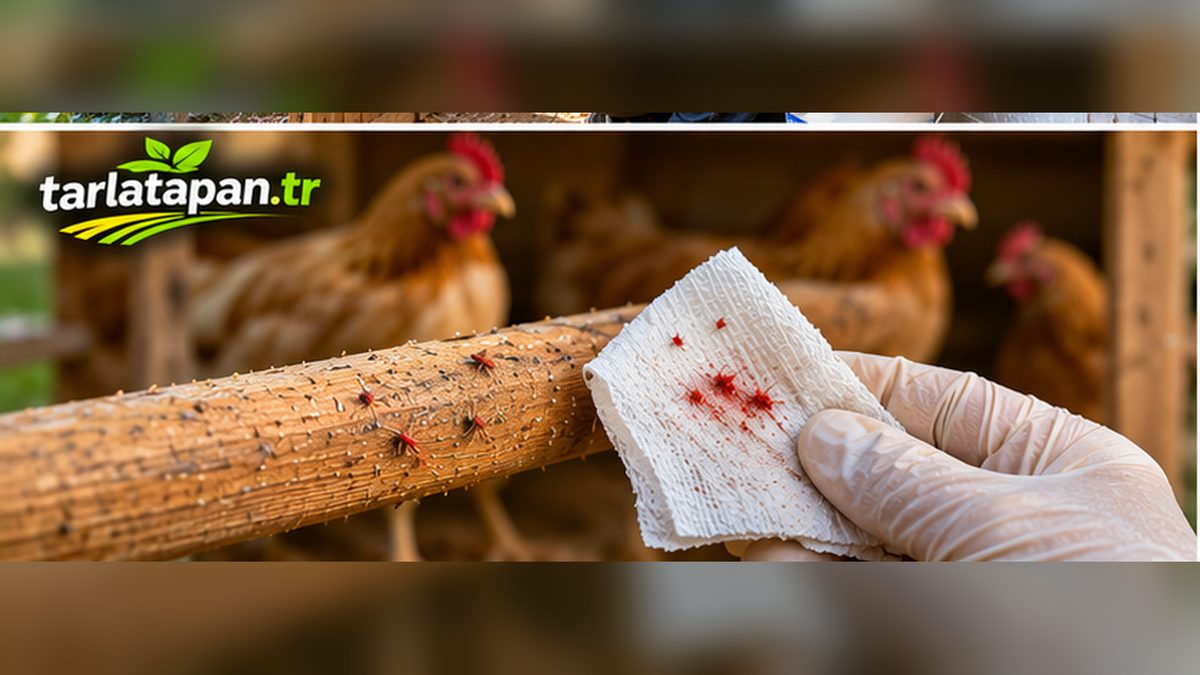
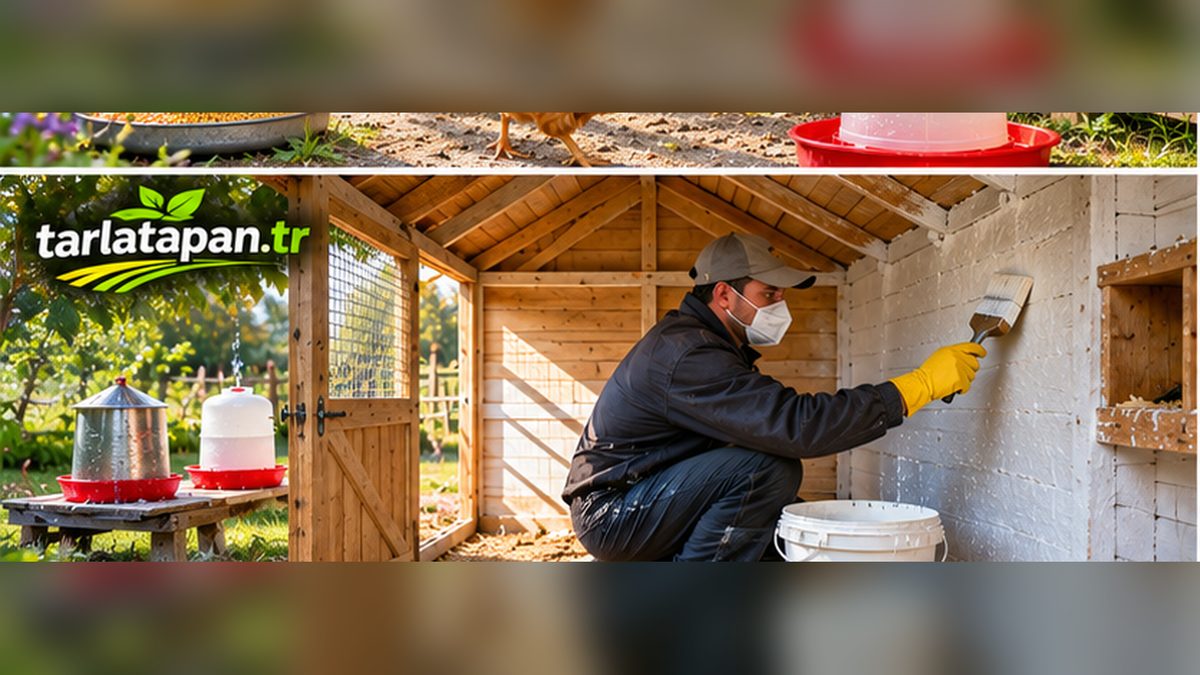
Deep-clean steps are in how to clean a chicken coop. Warm, humid months are when red mites multiply fastest; see red mites in a chicken coop.
Common seasonal mistakes
- Making the coop airtight in winter: damp and ammonia cause more illness than cold.
- Heating with a heat lamp: high fire risk.
- Missing frozen water: a day without water can stop laying for weeks.
- A shadeless run in summer: midday sun exhausts hens within hours.
- A closed coop on hot nights: keep vents open, with solid wire.
- Skipping the fall clean: mites spend the winter comfortably in a dirty coop.
Frequently Asked Questions
How cold is too cold for chickens?
Most chickens handle temperatures below freezing in a dry, draft-free coop. Heavily feathered breeds with small combs are the most cold-hardy. Wet bedding and drafts make cold far more dangerous.
Should you close coop vents in winter?
You should not close all coop vents in winter. High openings stay open so moisture and ammonia can escape. Only drafts at roost level need to be blocked.
Why do chickens stop laying in winter?
Chickens stop laying in winter mainly because days get shorter. Hens that molt in fall also stop laying during the molt. Extending day length to 14 to 15 hours with a light increases laying.
How do you keep chickens cool in summer?
You keep chickens cool in summer with shade, plenty of cool water and a well-ventilated coop. Feed in the cool morning and evening. Reduce flock size if the coop is crowded.
Is it safe to use a heat lamp in a coop?
It is generally not safe to use a heat lamp in a coop. Heat lamps near dry shavings and dust can start fires. Deep bedding and windbreaks usually work better than heating.
TarlaTapan guides focus on practical, field-tested growing advice. Corrections and suggestions are welcome at info@tarlatapan.tr.