How to Clean a Chicken Coop: Step-by-Step Deep Clean
How to clean a chicken coop: emptying, scraping, washing, drying, lime and disinfectant, repeat treatment for mites, how often to clean and what to do with coop manure.
How to clean a chicken coop depends on which level of cleaning you mean. Every day you scrape fresh droppings from under the roosts; every week you refresh bedding and nests; once or twice a year you empty the coop completely, scrape it, wash it, dry it and disinfect it. The step most beginners get wrong is drying: a coop left damp after washing breeds problems faster than one that was never washed.
This article walks through the big deep clean. The daily and weekly checklist is in chicken coop maintenance.
When should you clean the coop?
| Cleaning | How often | What you do |
|---|---|---|
| Daily | Every morning | Scrape roost area and droppings board, remove wet spots |
| Weekly | Once a week | Stir bedding, remove dirty patches, refresh nests, wash feeder and waterer |
| Deep clean | Spring and fall | Empty, wash, dry, disinfect |
| Emergency | When disease or mites appear | Deep clean right away, repeat if needed |
If you keep many birds for the space, weekly cleaning doubles. A coop that smells, feels damp and is full of flies is overdue.
Before you start
- Weather: Pick a sunny, breezy day with at least two dry days ahead. A coop only dries properly with sun and wind.
- Move the birds: Put them in the run or a temporary pen and keep them out until the coop is completely dry.
- Protection: Wear a dust mask, gloves and work clothes. Dried manure dust is harmful to people too; Penn State Extension stresses washing hands well after working with birds.
- Tools: Shovel, scraper, stiff brush, bucket, hose or pressure washer, lime or a disinfectant labeled for poultry housing.
Step-by-step deep clean
- Take everything out. Remove feeders, waterers, removable roosts, nest boxes and droppings boards. Penn State Extension advises building coops for easy cleaning, with fixtures that are easy to reach; removable roosts make this step much easier.
- Remove all bedding. Shovel out old shavings, straw and manure. It can go on the compost pile.
- Dry scrape and sweep. Scrape caked droppings from walls, corners, roost brackets and floor, and brush away dust and cobwebs. Disinfectant does not work on top of dirt, so skipping this step wastes the rest.
- Wash. Scrub surfaces with water and soap or detergent. A pressure washer also blasts dirt and mites out of cracks.
- Dry. Open doors and windows and let the coop dry completely, usually a full sunny day.
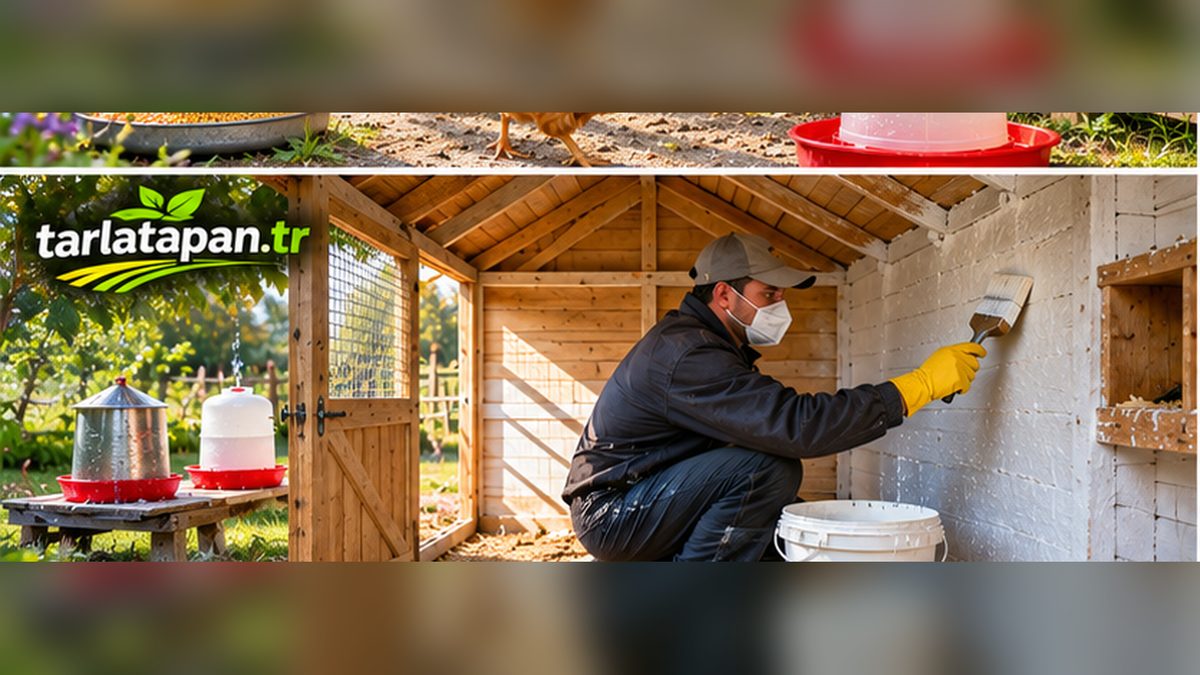
- Disinfect. Apply a poultry-house disinfectant at the label rate to dry surfaces, or brush hydrated lime wash onto the walls.
- Dry and air out again. Wait until the disinfectant has dried and the smell is gone.
- New bedding and fixtures. Spread 2 to 4 inches of fresh bedding, put about 2 inches of pine shavings in each nest, refit clean equipment, and let the birds back in.
How to disinfect a chicken coop
| Method | How | Caution |
|---|---|---|
| Lime wash | Hydrated lime mixed with water, brushed onto walls, roost brackets and cracks | Quicklime burns skin and eyes; gloves and goggles required |
| Poultry disinfectant | Product labeled for poultry housing, at label rate | Do not let birds in before the label waiting time |
| Hot water and steam | Steam cleaner into cracks | No chemicals, also reaches mite eggs; needs power |
Penn State Extension recommends building coops from materials that are easy to clean and disinfect. Rough, raw wood soaks up disinfectant and gives mites places to hide; painted or oiled smooth surfaces are much easier to keep clean.
Diluted bleach is fine for small equipment: soak feeders and waterers, then rinse them thoroughly. Spraying lots of bleach inside a closed coop irritates the lungs of birds and people.
If you have red mites
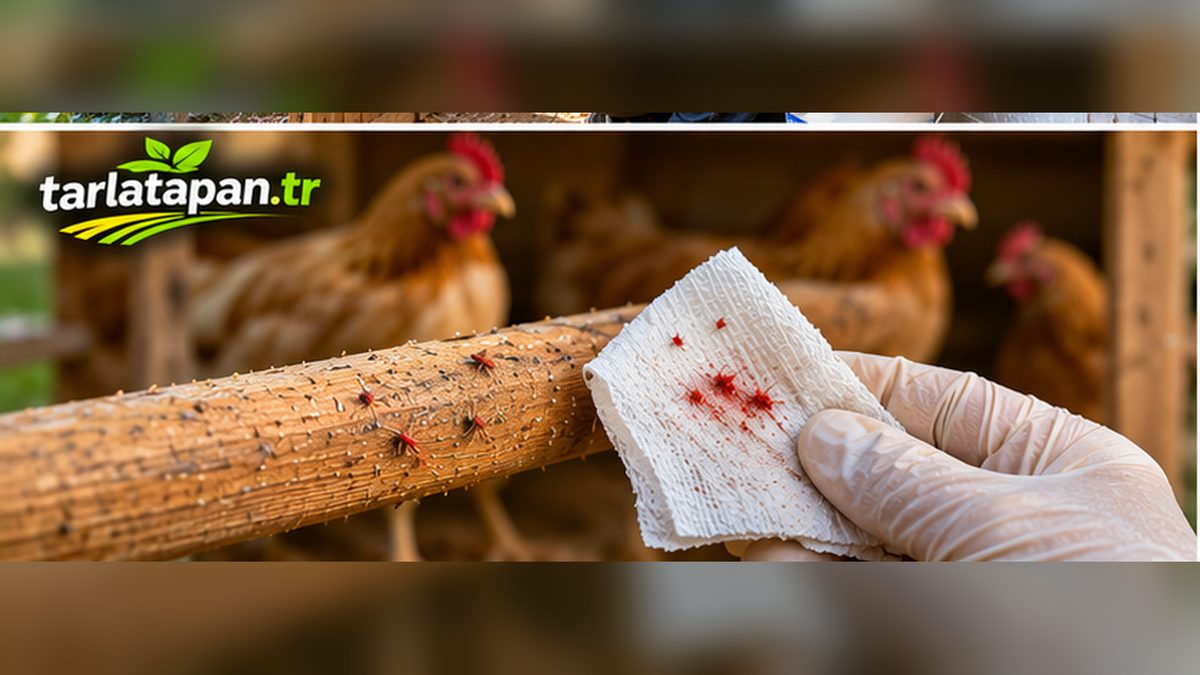
Red poultry mites hide in cracks during the day and feed on birds at night. In warm, humid weather their life cycle can finish in about a week, so one cleaning is never enough:
- Do the full deep clean, treating cracks with steam or lime.
- Repeat the treatment about 7 days later to catch mites that hatch after the first round.
- Check roost ends and nest corners with a white paper towel every week.
- Seal cracks with caulk or filler.
Ask a veterinarian about mite products and treating the birds themselves. Signs and other pests are covered in red mites in a chicken coop.
Cleaning feeders and waterers
The waterer is the dirtiest item in the coop. Bedding, droppings and feed get into it, and in warm weather it grows algae and bacteria.
- Change water daily and rinse the drinker.
- Scrub weekly with hot water and a brush, removing the green film in the corners.
- Empty the feeder weekly and throw out wet or caked feed.
- As Penn State Extension suggests, keep the lip at the height of the birds' backs so less dirt gets in.
Keeping the coop dry between cleanings
How long a deep clean lasts depends on how dry the coop stays. Penn State Extension says poultry handle cold very well if they are dry, while cool, humid conditions cause many health problems, and it treats dampness and ammonia as signs of poor ventilation.
In practice: move the waterer to the run where possible, set it on a board or tray, remove wet bedding the same day, never close all vents even in winter, and do not overcrowd. Squeeze a handful of bedding: if it clumps, it is too wet; if it falls apart, it is dry. This simple test tells you a clean-out is due before the smell does.
What to do with coop manure
Used bedding and manure make valuable garden fertilizer, but fresh chicken manure burns plants. Compost it and let it mature for several months before use. Do not use litter from a coop with disease or deaths, and do not spread fresh manure on vegetable beds. Keep the compost pile covered and away from the coop and any well; mature compost is dark, crumbly and has no smell.
Common cleaning mistakes
- Spraying disinfectant without scraping first: dirt makes it useless.
- Adding bedding before the coop is dry: damp floors grow mold and bacteria.
- One-time mite treatment: mites hatch and the coop fills again.
- Letting birds in too soon: wet or chemical-smelling coops irritate airways.
- Dusty shavings: spreading dusty bedding in a clean coop creates a new problem.
- Working without a mask: manure dust harms people too.
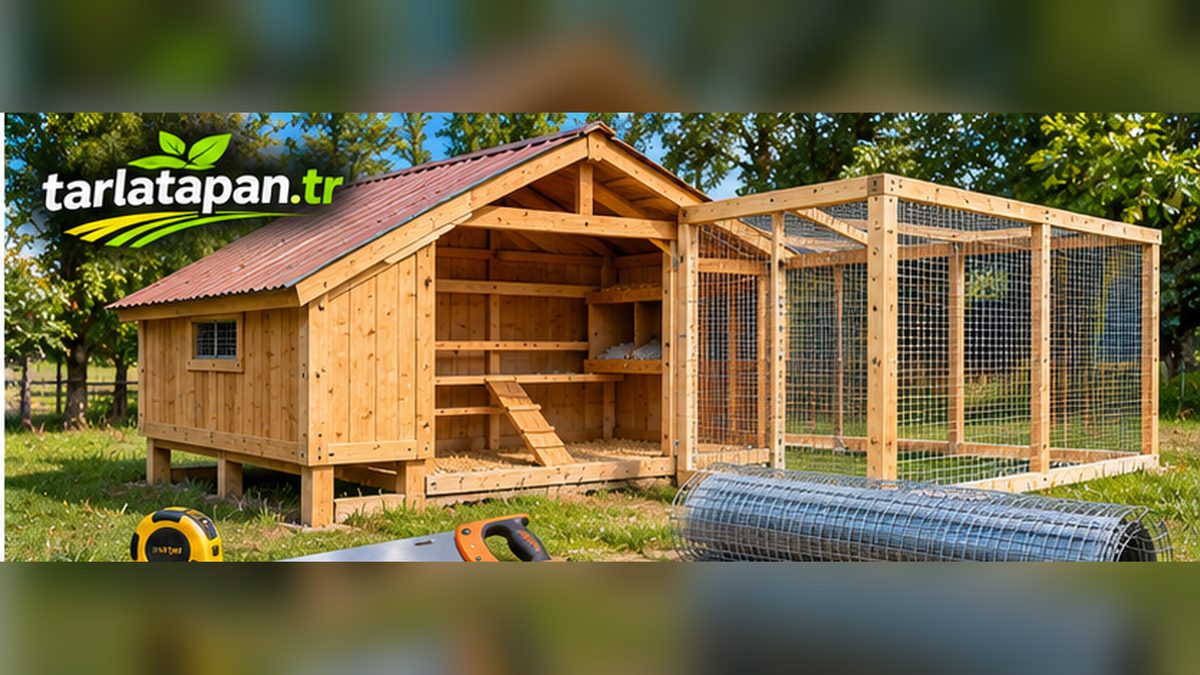
If you are building a new coop, design for cleaning from the start; how to build a chicken coop covers removable roosts, droppings boards and sloped floors.
Frequently Asked Questions
What is the best disinfectant for a chicken coop?
The best disinfectant for a chicken coop is a product labeled for poultry housing, used at the label rate, or a hydrated lime wash. Steam also works well in cracks. Always apply disinfectant to surfaces that are already scraped, washed and dry.
How do you lime wash a chicken coop?
To lime wash a chicken coop, mix hydrated lime with water to a paint-like consistency and brush it onto walls, floor, roost brackets and cracks. It only works on scraped, washed and dry surfaces. Wear gloves and eye protection.
Can you use bleach in a chicken coop?
You can use diluted bleach in a chicken coop for small equipment such as feeders and waterers, followed by thorough rinsing. Large amounts of bleach in a closed coop irritate the lungs of birds and people. Lime or poultry disinfectant is better for walls.
When can chickens go back in after cleaning?
Chickens can go back in after cleaning once the coop is fully dry and any disinfectant smell is gone. That is usually the end of a sunny day. With commercial products, follow the label waiting time.
How often should coop bedding be fully replaced?
Coop bedding should be fully replaced whenever it is wet, smelly or caked. Dry bedding can last several months with weekly stirring and top-ups. During a deep clean, all bedding is always removed.
TarlaTapan guides focus on practical, field-tested growing advice. Corrections and suggestions are welcome at info@tarlatapan.tr.