Chicken Coop Maintenance: A Backyard Care Routine
Chicken coop maintenance made simple: daily, weekly and seasonal tasks, feed and water setup, bedding choice, odor and moisture control, and common backyard mistakes.

Chicken coop maintenance comes down to a simple rhythm: every day you check water, feed and eggs and remove fresh droppings; every week you refresh the bedding and scrub the feeder and waterer; once or twice a year you empty the coop completely and deep clean it. Penn State Extension, the outreach service of Pennsylvania State University, says a good poultry house must be dry, draft-free, safe from predators and easy to clean. The whole point of routine care is to keep those four conditions in place every single day.
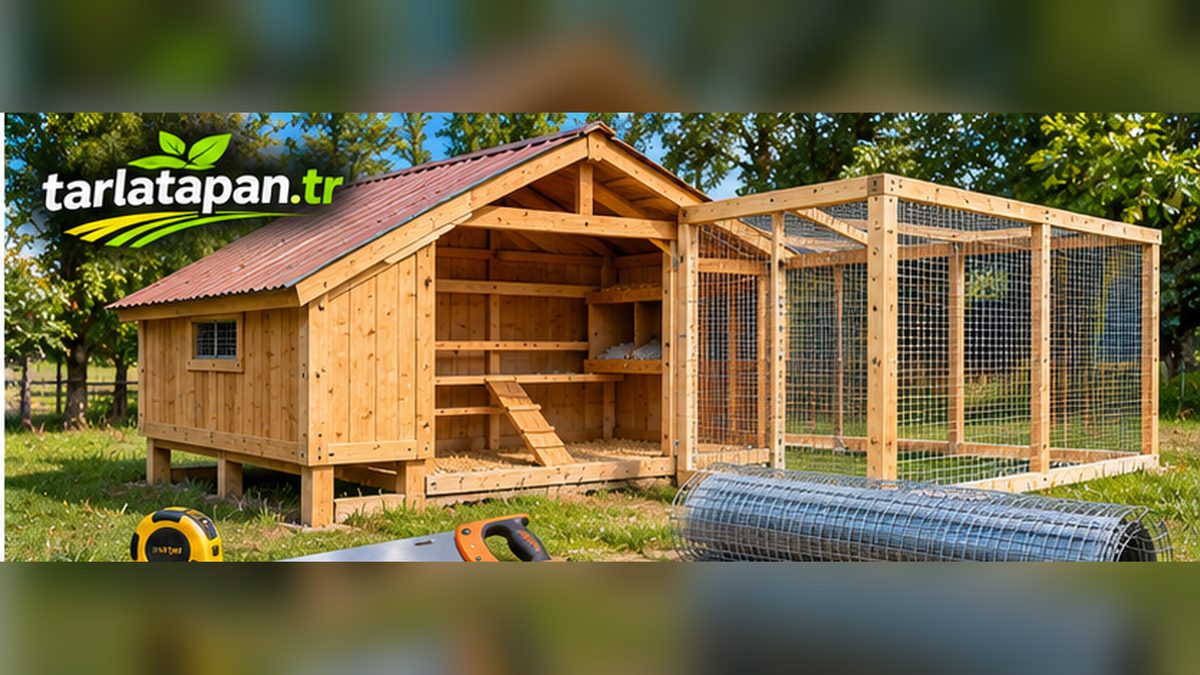
This guide is written for backyard keepers with roughly 4 to 15 hens. If you have not built your coop yet, start with how to build a chicken coop. A coop built to the right measurements is half as much work to look after.
Daily coop care checklist
Daily care takes about 10 to 15 minutes in total, split between morning and evening:
- Open the coop in the morning and watch every bird walk out. A hen that stays inside, fluffed up in a corner, is often the first sign of illness.
- Change the water. Rinse the waterer and refill it. In summer, check twice a day; chickens cope with a lack of water far worse than with a lack of feed.
- Top up the feeder and remove spilled or wet feed. Wet feed molds and attracts mice and rats.
- Collect eggs at least once a day, ideally twice. Eggs left in the nest get dirty, crack and can teach hens to eat eggs.
- Clean under the roosts. Most overnight droppings land there. Scrape the droppings board, or scoop out the dirtiest bedding if you have none.
- Count and lock up at dusk. Count the birds before dark and latch the door. Most fox, raccoon, mink and dog losses happen on nights the door was left open.
Weekly and monthly tasks
Once a week:
- Stir and refresh the bedding. Remove wet, caked patches and add dry shavings or straw.
- Renew nest material. Penn State Extension recommends keeping about two inches (5 cm) of clean, dry material in nests at all times and names pine shavings as the preferred choice.
- Scrub feeders and waterers with hot water and let them dry.
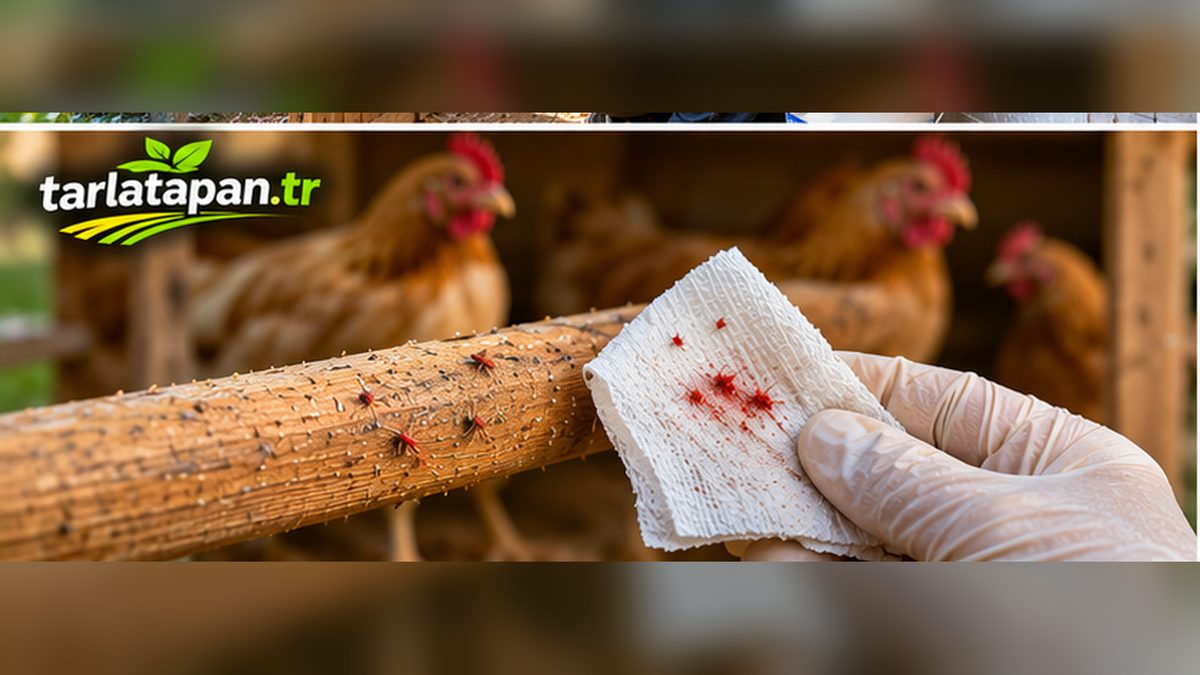
- Check roost ends and cracks. Red mites hide there during the day. Wipe a white paper towel along the underside of the roost; red smears mean mites.
Once a month, brush down cobwebs and dust, check the wire for holes or loose staples, and mow the grass around the coop. Long grass shelters rodents and snakes.
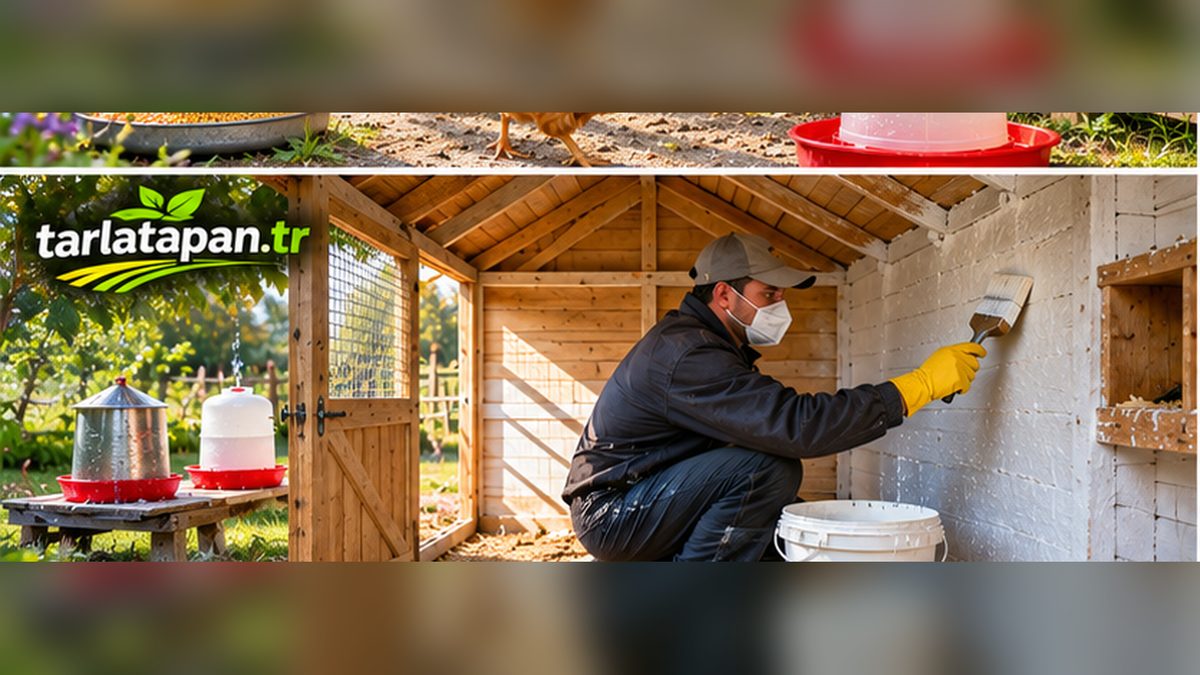
Once or twice a year, usually in spring and fall, the coop is emptied, scrubbed, dried and disinfected. The full steps are in how to clean a chicken coop.
Coop maintenance schedule
| How often | Task | Why |
|---|---|---|
| Daily | Water, feed, eggs, under the roosts | Prevents disease and dirty eggs |
| Daily | Evening head count and lock-up | Predator protection |
| Weekly | Refresh bedding and nests | Moisture, odor, ammonia |
| Weekly | Wash feeder and waterer | Bacteria and mold |
| Monthly | Dust, cobwebs, wire check | Mites and predators |
| 1-2 times a year | Empty, wash, disinfect | Resets mite and germ load |
What bedding should go on the coop floor?
The floor needs a dry, absorbent bedding layer. The most common options:
| Bedding | Pros | Cons |
|---|---|---|
| Pine shavings | Absorbent, light, holds odor | Dusty grades irritate lungs |
| Straw | Cheap, easy to find on farms | Gets wet fast, can hide mites |
| Hemp bedding | Very absorbent, low dust | Expensive |
| Sand | Easy to sift, stays dry | Cold in winter, heavy |
Keep the layer at least 2 to 4 inches (5 to 10 cm) deep; thin bedding quickly turns into a wet floor. In winter some keepers use the deep litter method: instead of removing bedding, they add dry material on top and turn it regularly. It only works while the litter stays dry. If it smells or feels wet, remove it.
How do you keep a chicken coop from smelling?
A smelly coop means too much moisture and ammonia. Penn State Extension treats dampness and ammonia build-up as a sign that ventilation is not enough for the number of birds. To keep odor down:
- Put vents high, near the roof, and never directly over the roosting area.
- Place the waterer outside in the run where possible. The same source notes this keeps humidity lower inside the coop.
- Consider nipple waterers set just above the birds' eye level instead of open drinkers that spill.
- Do not overcrowd; less floor space per bird means more moisture and more smell.
- Slope the floor slightly toward the door so wash water does not pool.
Ammonia is not just unpleasant. It irritates the airways and opens the door to respiratory disease.
Feed and water setup
The most common backyard mistake is feeding hens mostly kitchen scraps. Laying hens need a complete layer feed; scraps and grain are only extras.
- Feeder space: Penn State Extension recommends at least 3 inches (7-8 cm) of feeder space per bird. With too little room, hens low in the pecking order may never get to eat.
- Height: Set the lip of feeders and waterers at the height of the birds' backs to keep feed and water clean and cut waste.
- Storage: Keep feed in lidded metal cans in a dry, cool place. The same source says feed keeps for up to a month that way, while sunlight and heat destroy vitamins and moisture causes mold.
- Grit and calcium: If the run has no natural soil, offer insoluble grit and crushed oyster shell or eggshell for strong shells.
Light and egg production
Hens lay fewer eggs as days shorten. For keepers who want winter eggs, Penn State Extension says one low-wattage light above the feed and water area is enough for most small coops. South-facing windows add light and warmth in winter and airflow in summer. More detail is in winter and summer chicken coop care.
Quick daily health check
A few seconds of looking at your birds is the cheapest way to catch problems early:
- Is the comb pale or unusually dark?
- Are the eyes bright, and is there discharge from the nostrils?
- Are droppings normal, or watery or bloody?
- Is the hen eating and drinking, or standing apart?
- Are vent feathers dirty, are there red spots on the skin?
Separate any bird that looks sick. Mite, lice and pest signs and control steps are collected in red mites in a chicken coop.
Common backyard mistakes
- Overcrowding: adding birds to a small coop brings odor, damp and feather pecking.
- Wet bedding: most health problems start on a wet floor.
- Drafty roosts: chickens handle cold, but not wet cold or drafts.
- Leaving the door open: one careless night can cost the whole flock.
- Adding new birds straight away: keep newcomers separate for at least two weeks; disease and mites travel this way.
- Dusty shavings: cheap, dusty bedding causes respiratory trouble.
- Leaving feed out: it draws rodents and wild birds, and mites come with them.
Frequently Asked Questions
How often should you clean a chicken coop?
You should clean under the roosts daily and refresh the bedding and nests weekly. Once or twice a year the chicken coop is emptied, scrubbed and disinfected. Larger flocks need more frequent weekly cleaning.
How much space does each chicken need in a coop?
Each laying hen needs at least 1.5 square feet (0.14 m²) inside the coop and 8 square feet (0.74 m²) in the run. These are Penn State Extension's minimum figures. Doubling them gives a much more comfortable coop.
Is pine shavings or straw better for a coop?
Pine shavings are usually better than straw for a coop. Shavings absorb more moisture and do not shelter mites as easily. Straw is cheap but gets wet quickly and must be changed more often.
Do chickens need fresh water in winter?
Chickens need fresh water every day in winter too. If water freezes, hens eat less and egg laying drops. Check for ice in the morning and again in the afternoon.
Does a chicken coop need a light?
A chicken coop does not need a light unless you want eggs through winter. One low-wattage bulb is enough for most small coops. The light is for extending day length, not for heating.
TarlaTapan guides focus on practical, field-tested growing advice. Corrections and suggestions are welcome at info@tarlatapan.tr.