Do Olive Trees Grow Well in Pots in Australia? Varieties, Size and Care
Do olive trees grow well in pots in Australia? Best varieties, pot size and type, potting mix, watering, common problems and fruitless olives for patios.
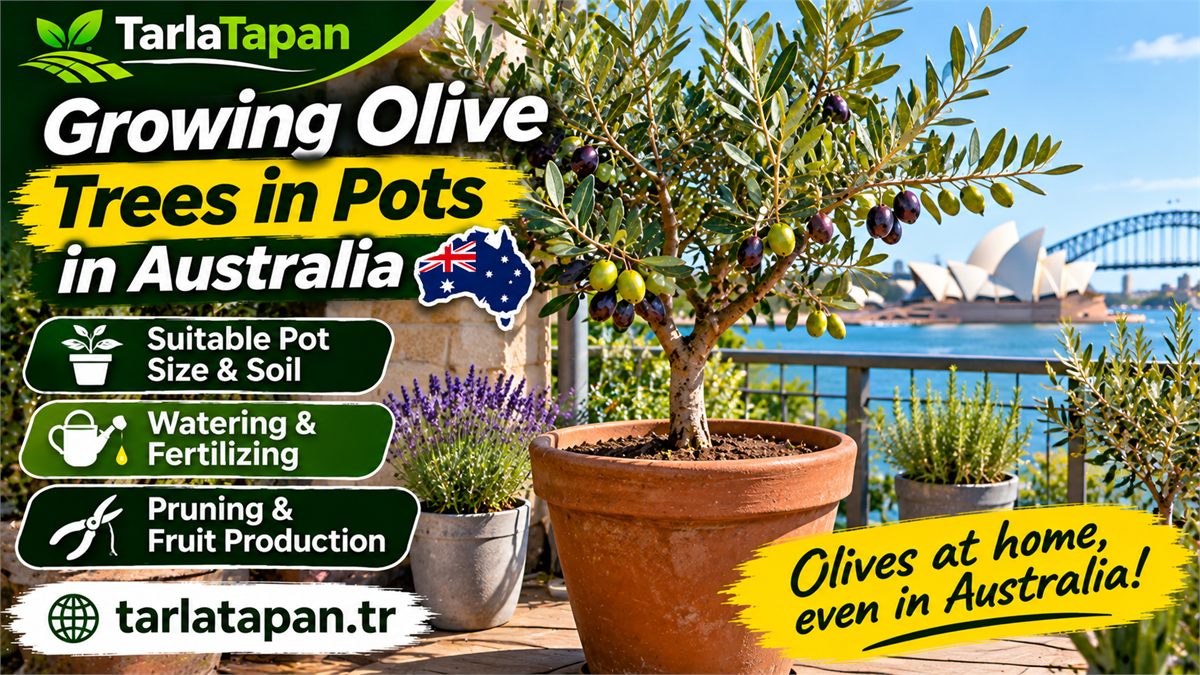
Do Olive Trees Grow Well in Pots in Australia? Olive trees in pots grow well across most of Australia, from city balconies to courtyards. A potted olive needs a compact variety, a large pot, free-draining mix and more frequent water than a tree in the ground. This guide covers each step for Australian conditions.
Best olive varieties for pots in Australia
The best olives for pots are compact, slow-growing varieties. Arbequina is the most common choice. It stays smaller than most olives, fruits young and produces good oil.
Other varieties often sold for containers in Australia include Bambalina and Swan Hill. Swan Hill is a low-growing olive with silver foliage. Ask your nursery whether a tree sets fruit, as some ornamental types bear little or no fruit.
Avoid large varieties such as Kalamata and Frantoio for small pots. In the ground these trees can reach about 8 metres.
What size pot does an olive tree need?
Use the biggest pot you can manage. Nurseries commonly suggest a pot of 75 litres or more for a long-term olive tree. A big pot gives roots room and stops the tree drying out too fast.
Drainage is more important than the pot material. Make sure there are several large drainage holes. Raise the pot on feet so water can escape freely.
- Terracotta: breathes well but dries out fast in Australian summers.
- Glazed or plastic: holds moisture longer, which suits hot inland areas.
- Dark pots: heat up in full sun and can cook roots, so choose a light colour.
Best potting mix for olive trees
Use a premium, free-draining potting mix. Olive roots rot in soggy soil. A mix made for citrus or fruit trees works well. Do not fill the pot with garden soil, which packs down and drains poorly.
Olives like neutral to slightly alkaline soil. Most quality potting mixes suit them without any extra lime.
Watering potted olives in Australia
Potted olives need regular water, especially in summer. A pot dries out much faster than garden soil. In hot weather you may need to water every day or every second day, depending on pot size, mix and wind.
Water deeply until it runs out the bottom, then let the top few centimetres dry before watering again. In winter, water much less. Overwatering in cool weather is a common cause of root rot. Our olive tree watering guide explains more.
Feeding, sun and pruning
Feed potted olives in early spring and again in late summer with a balanced fruit and citrus fertiliser. Pots lose nutrients faster because water washes them out.
Give the tree full sun, at least six hours a day. Prune lightly in late winter or early spring to keep a good shape and open the centre. Remove suckers from the base.
Repotting and top dressing
Replace the top few centimetres of mix with fresh potting mix every year. Every three to four years, lift the tree, trim some outer roots and repot in fresh mix. Moving to a slightly larger pot also works if you have space.
Potted olives can get scale insects and, in some areas, olive lace bug. Check leaf undersides each spring. See our guide to olive lace bug in Australia and our main article on growing olive trees in Australia.
Do olive trees grow well in pots?
Yes, olive trees are among the best trees for growing in pots in Australia, because they tolerate heat, wind and dry spells and respond well to pruning. They need a large pot, free-draining mix and full sun to stay healthy.
A potted olive will stay much smaller than one in the ground and produce a smaller crop. With good care, it can still live for decades and give enough fruit for a few jars of home-cured olives.
Common problems with olive trees in pots
The most common problems with potted olives are drying out in summer, root rot from waterlogged mix, root-bound trees and scale insects. Most of them come from watering and pot size.
| Problem | Likely cause | Fix |
|---|---|---|
| Leaf drop in summer | pot dried out in heat | water deeply, mulch the top, move pot out of reflected heat |
| Yellow leaves, black roots | waterlogged mix | check drainage holes, use gritty mix, empty saucers |
| Slow growth, roots circling | root-bound | repot or root-prune in spring |
| Sticky leaves, black mould | scale insects | pest oil, wipe off scale |
| No fruit | too little sun or winter chill, heavy pruning | full sun, prune lightly after harvest |
What pots do olive trees look best in?
Olive trees look best in large terracotta, glazed ceramic or concrete pots in neutral or earthy colours that echo their Mediterranean look. Size and drainage matter more than style.
Terracotta breathes and keeps roots cooler but dries out faster. Glazed and concrete pots hold moisture longer and are heavier, which helps on windy balconies. Dark plastic pots can overheat in the Australian sun, so place them where the pot itself is shaded.
Fruitless olive trees for patios
If you want the look of an olive without dropped fruit on paving, choose a fruitless variety such as 'Swan Hill'. It produces few or no olives and very little pollen.
Fruitless olives are popular for courtyards, pool areas and formal hedges. They need the same care as fruiting trees: full sun, good drainage and occasional feeding.
More Australian Olive Guides
- Growing Olive Trees in Australia
- How Many Kg of Olives per Tree
- Is Olive Farming Profitable in Australia?
- Olive Lace Bug in Australia
Frequently Asked Questions
Can you grow an olive tree in a pot in Australia?
Yes, olive trees grow well in pots across most of southern Australia. Choose a compact variety such as Arbequina, a large pot with good drainage, and full sun. Potted trees need more frequent watering than trees in the ground.
How big a pot does an olive tree need?
An olive tree needs a pot of at least 75 litres for long-term growth. Larger pots hold more water and keep roots cooler in summer.
Will a potted olive tree produce olives?
Yes, a potted olive tree can produce olives, usually within a few years. Fruiting varieties such as Arbequina crop well in pots. Planting a second variety nearby can help, as some olives set more fruit with a pollinator.
How often should I water a potted olive tree in summer?
In Australian summers, water a potted olive every day or every second day in hot weather. Water deeply until it drains from the bottom. Check the top few centimetres of mix and water when it feels dry.
Can olive trees grow indoors?
Olive trees can survive indoors for a short time, but they grow poorly without strong sun. They need at least six hours of direct light a day. A sunny balcony or courtyard is much better than indoors.
TarlaTapan guides focus on practical, field-tested growing advice. Corrections and suggestions are welcome at info@tarlatapan.tr.