How Do You Grow Lavender in Australia? Types, Planting, Pruning and Care
How do you grow lavender in Australia? Best types by climate, planting, drainage, the 8-8-8 rule for Australia, pruning, companion plants and common problems.
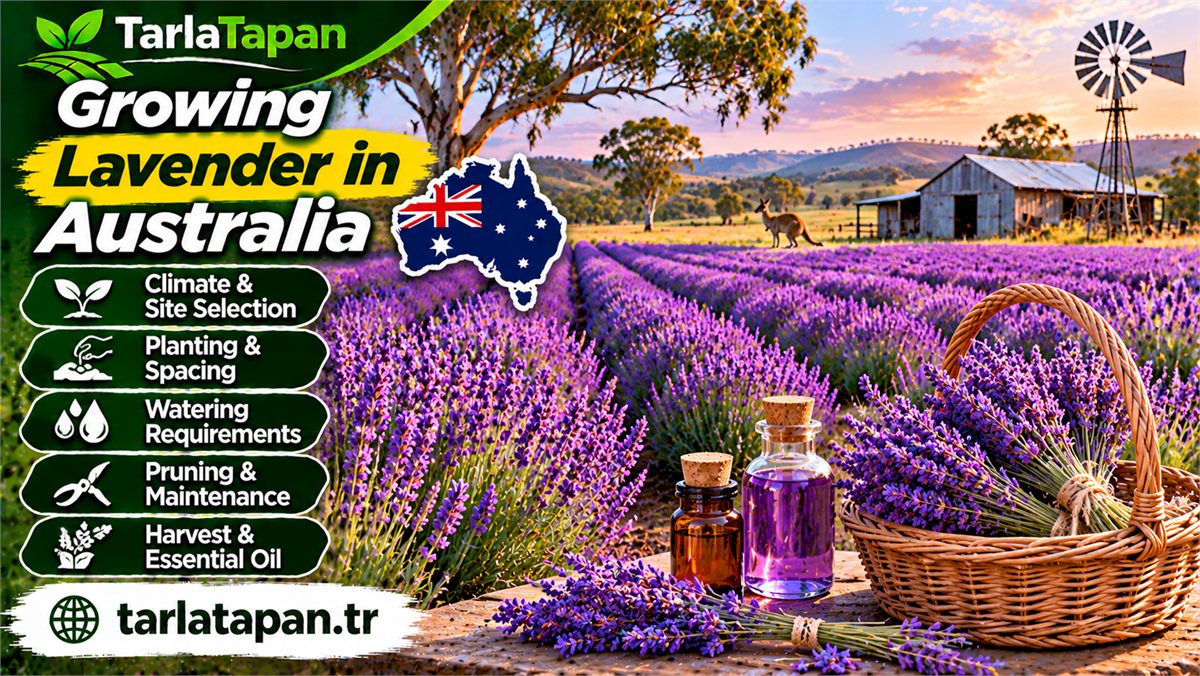
How Do You Grow Lavender in Australia? Growing lavender in Australia is easy if you match the type to your climate. English lavender loves the dry summers of southern Australia, while French lavender copes best with humid areas such as Sydney and south-east Queensland. All lavender needs full sun and soil that drains freely. This guide covers types, planting, care, pruning, flowering times and the most common problems.
Contents
- Which lavender grows best in Australia?
- Where lavender grows in Australia
- Planting lavender
- Soil and drainage
- Watering lavender
- Pruning lavender
- When does lavender flower in Australia?
- Harvesting and drying lavender
- Why lavender dies
Which lavender grows best in Australia?
The best lavender depends on your summer. English lavender suits areas with dry summers. French lavender suits warm, humid areas. Spanish lavender and lavandin hybrids handle heat well.
| Type | Botanical name | Best climate |
|---|---|---|
| English | Lavandula angustifolia | Cool to mild areas with dry summers |
| French | Lavandula dentata | Warm and humid areas |
| Spanish | Lavandula stoechas | Hot, dry areas (a weed in some states) |
| Lavandin | Lavandula x intermedia | Hot summers and cold winters |
| Lace | Lavandula pinnata | Frost-free gardens |
English lavender is the classic choice for scent, cooking and dried flowers. Popular varieties include 'Hidcote' and 'Munstead'. French lavender has toothed leaves, flowers for months and is long-lived in warm gardens. See our guide to the best lavender for Australian climates.
Where lavender grows in Australia
Lavender grows in every Australian state, but it is happiest in the south. Victoria, South Australia, Tasmania, southern New South Wales and the south-west of Western Australia have the dry summers lavender loves.
Tasmania is home to one of the world's best-known lavender farms, Bridestowe Estate, founded in 1922. Lavender farms in Victoria, New South Wales and South Australia also draw visitors when plants bloom in summer.
Humid coastal Queensland is the hardest place to grow lavender. Even there, French lavender and some hybrids grow well with good drainage and airflow.
Planting lavender
Plant lavender in spring or autumn. In subtropical areas such as Brisbane, mid-autumn to early winter is a good time, so plants settle before the humid summer.
Choose the sunniest spot you have, with at least six hours of direct sun. Space plants so air can move between them; crowded lavender stays damp and rots. Plant at the same depth as the pot, firm the soil and water in well. After that, water only when the soil is dry.
Lavender also grows well in pots. Use a free-draining potting mix and a pot with large drainage holes.
Soil and drainage
Drainage is the single most important thing for lavender. It grows naturally on dry, stony hillsides. In wet soil, the roots rot.
- Use light, free-draining soil. Sandy or gravelly soil is ideal.
- Lavender prefers neutral to slightly alkaline soil, around pH 7 to 8.
- In heavy clay, plant on a raised mound or in a raised bed.
- Avoid thick organic mulch around the base, which holds moisture. Gravel mulch works better.
Watering lavender
Lavender needs regular water only while it settles in. Water new plants once or twice a week for the first few weeks, then gradually less. Established lavender in the ground is drought tolerant and often needs no extra water outside long dry spells.
Overwatering kills more lavender than drought. Let the soil dry out between waterings. Potted lavender dries faster and needs more frequent water in hot weather.
Pruning lavender
Prune lavender every year to keep it compact and stop it going woody. The main prune is in late summer to early autumn, around March in most of Australia, after flowering.
Cut back by about a third, but stay in the green, leafy part of the stems. Most lavenders do not reshoot reliably from bare old wood. English lavender also benefits from a light trim after its first flush of flowers. Read our guide on when to prune lavender in Australia.
When does lavender flower in Australia?
Most lavender in Australia flowers from late spring through summer. Peak bloom in Victoria and Tasmania is December and January. In New South Wales the peak runs from November to January, and in Perth from mid-December to early February.
French and Spanish lavender flower much longer. Spanish lavender can bloom from late winter through summer. See our guide to when lavender flowers in Australia.
Harvesting and drying lavender
Cut lavender for drying when about half the flowers on each spike have opened. Cut in the morning after the dew has dried. Take long stems so you can tie them in bunches.
Hang small bunches upside down in a dark, dry, airy place for one to two weeks. Once the stems snap, rub off the flowers and store them in a sealed jar away from light. English lavender keeps its scent best for sachets and cooking.
Why lavender dies
The most common reason lavender dies in Australia is root rot from wet soil or humid summers. The plant wilts from the base, stems go soft and grey, and the plant collapses.
Other causes include heavy clay, too much water, mulch packed against the stems, too much shade and pruning into old wood. Choosing the right type for your climate prevents most losses. Read why lavender dies in Australia for a full checklist.
Feeding lavender
Lavender needs very little fertiliser. Rich soil and high-nitrogen feeds give soft, leafy growth with fewer flowers and a weaker scent. In most gardens, a light sprinkle of slow-release fertiliser in spring is plenty. In poor, sandy soil, a little compost dug in at planting time helps young plants establish.
Growing lavender in pots
Lavender grows well in pots on sunny balconies and courtyards. Choose a pot at least 30 cm wide with large drainage holes, and use a premium, free-draining potting mix. Terracotta suits lavender because it breathes and dries out quickly.
Potted lavender needs more water than garden plants, especially in hot, windy weather. Water when the top few centimetres of mix are dry, and never leave the pot standing in a saucer of water. Repot every couple of years with fresh mix, and prune after flowering as you would in the garden.
Growing lavender from cuttings
Lavender is easy to grow from cuttings, which is the best way to replace old plants for free. Take 8 to 10 cm cuttings from healthy, non-flowering shoots in spring or autumn. Strip the lower leaves, push the stems into a sandy propagating mix and keep them lightly moist in bright shade. Roots usually form within a few weeks, and young plants are ready to plant out a few months later.
Lavender calendar for Australia
- Late winter: light tidy-up in frost-free areas; Spanish and French lavender start flowering.
- Spring: plant new lavender; take cuttings; light feed.
- Late spring to summer: main flowering for English lavender and lavandin; cut stems for drying.
- Late summer to early autumn: main yearly prune once flowering ends.
- Autumn: plant in subtropical areas; take cuttings; prepare raised beds for spring planting.
Companion plants for lavender
Lavender grows well with other sun-loving, dry-tolerant plants that share its needs. Rosemary, thyme, sage, salvias, catmint and many Australian natives such as grevilleas and westringia suit the same sunny, well-drained beds. Avoid planting lavender among thirsty plants that need frequent watering, as the extra water will rot its roots.
A note on Spanish lavender
Spanish lavender, also called topped lavender, has become a weed in parts of Australia. In Victoria it has been a declared noxious weed since 1920. It spreads into pastures and bushland, and stock rarely eat it. Check your state and council rules before planting it, or choose a sterile hybrid instead.
Commercial lavender in Australia
Lavender is grown commercially in several states for oil, dried flowers and tourism. Most Australian lavender farms grow English lavender for oil and lavandin for its higher yields. Read more in our guide to lavender farming in Australia.
What is the 8-8-8 rule for lavender, and does it work in Australia?
The 8-8-8 rule is a popular pruning reminder for English lavender: prune around the 8th of August, cut the plant back by about eight inches (20 cm) and keep green leaves below the cut. It comes from the Northern Hemisphere, so the date does not fit Australia.
In Australia, the same moment after summer flowering falls in late summer, usually February to early March, depending on your region. The 8 August date would mean pruning in the middle of the Australian winter, which is not ideal. Take the rule as a seasonal prompt, not a fixed measurement: on small or young plants, cutting back a full 20 cm can be too much.
The part of the rule that always applies is the last one. Never cut into bare, old wood, because lavender rarely grows back from it. Always leave some green growth on each stem.
What should not be planted near lavender?
Lavender should not be planted next to plants that need rich soil and regular watering, such as mint, basil, ferns, hydrangeas, camellias and most leafy vegetables. Their watering needs would keep the lavender's roots too wet.
Good neighbours share lavender's love of sun and dry soil: rosemary, thyme, sage, oregano, salvia, echinacea, roses on a well-drained bed and many Australian natives such as grevilleas and westringia. Group plants with similar water needs, so you can water each bed correctly.
Is there a downside to planting lavender?
The main downsides of lavender are that it lives only around five to ten years, becomes woody without regular pruning and struggles in humid, wet or heavy clay areas. It also attracts many bees, which is a plus for most gardens but a concern near doorways or pools.
Some types, especially Spanish lavender, can spread by seed into bushland in parts of southern Australia and are treated as environmental weeds in some areas. Check with your local council and choose English lavender or sterile lavandin hybrids if you live close to bush.
All Australian Lavender Guides
- Best Lavender for Australian Climates
- When to Prune Lavender in Australia
- Why Is My Lavender Dying?
- When Does Lavender Flower in Australia?
- Lavender Farming in Australia
Frequently Asked Questions
Which lavender is best for Australia?
English lavender is best in southern Australia, where summers are dry. French lavender is best in humid areas such as Sydney and south-east Queensland. Lavandin hybrids cope with hot summers and cold winters.
When should I plant lavender in Australia?
Plant lavender in spring or autumn in most of Australia. In subtropical areas such as Brisbane, plant from mid-autumn to early winter so plants settle before summer humidity.
Does lavender grow in Queensland?
Yes, but choose the right type. French lavender and some hybrids grow in Queensland if planted in full sun with excellent drainage and good airflow. English lavender usually struggles in humid summers.
How long does a lavender plant live?
Lavender plants usually live for several years in the garden, depending on type, climate and care. Yearly pruning and good drainage help them live longer. Old, woody plants are usually best replaced.
Is lavender a weed in Australia?
Spanish lavender (Lavandula stoechas) is a declared noxious weed in Victoria and has naturalised in other states. English and French lavender are not generally listed as weeds. Check local rules before planting Spanish lavender.
TarlaTapan guides focus on practical, field-tested growing advice. Corrections and suggestions are welcome at info@tarlatapan.tr.