How Do You Keep Backyard Chickens in Australia? A Beginner's Guide
How do you keep backyard chickens in Australia? Council rules, breeds, coop, fox protection, the 90/10 feeding rule, heat, rats and how many hens you need.
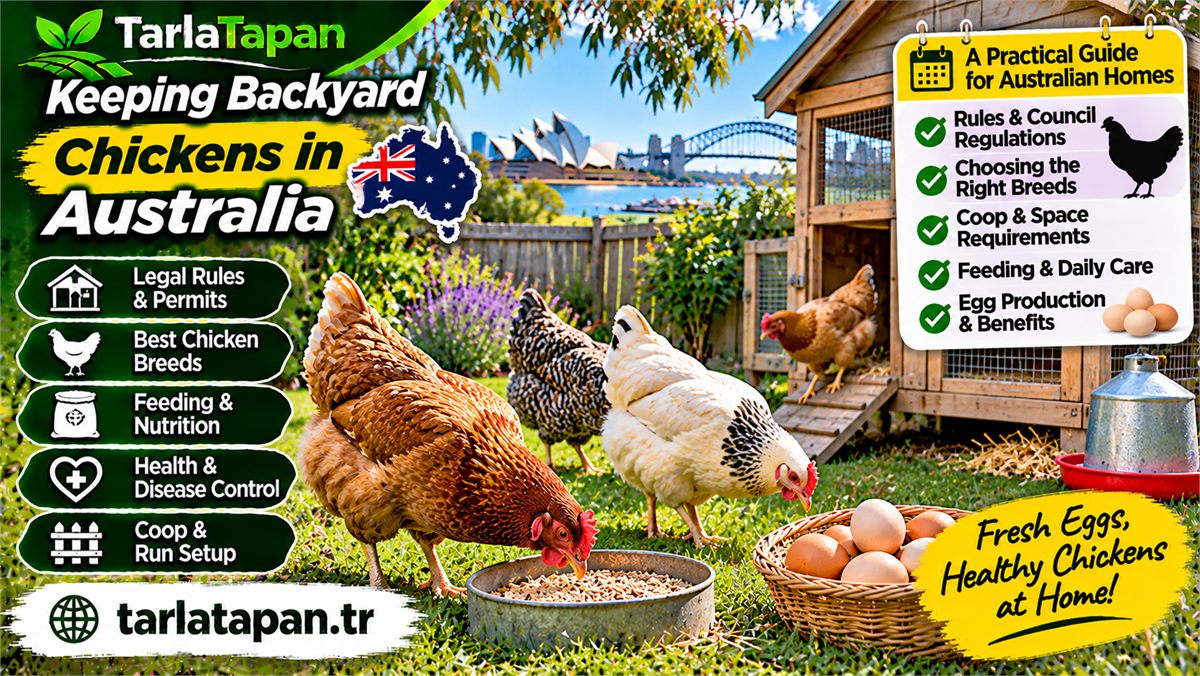
How Do You Keep Backyard Chickens in Australia? Keeping backyard chickens in Australia is more popular than it has been for decades. A small flock gives fresh eggs, eats kitchen scraps and makes garden compost. But Australian chooks face some local challenges: foxes, summer heatwaves, snakes and council rules. This guide covers everything you need to start and keep a healthy flock.
Contents
- Why keep backyard chickens?
- Council rules for chickens
- Best chicken breeds for Australia
- How many chickens to keep
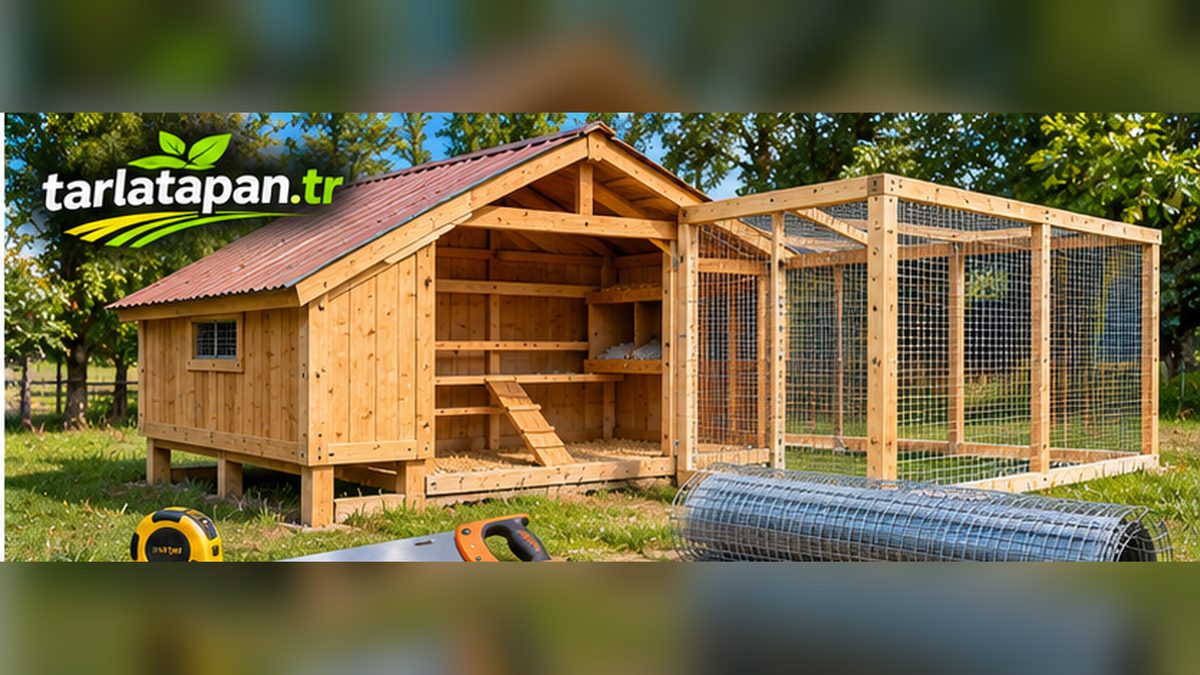
- Coop and run
- Protecting chickens from foxes
- Feeding backyard chickens
- Chickens in Australian summer heat
- Egg laying
- Health and bird flu biosecurity
Why keep backyard chickens?
Australians keep chickens for fresh eggs, for pest and scrap control, and as pets. University of Adelaide research found many owners see their chooks as a blend of pet and livestock, and value them as a trusted source of food. The RSPCA notes that backyard poultry declined in the 1970s and 80s but has made a strong comeback.
Chickens are also good for the garden. Their manure, once composted, is a rich fertiliser, and they eat many garden insects.
Council rules for chickens
Rules for backyard chickens are set by local councils, not by one national or state law. Limits on numbers, coop distances and roosters vary widely.
- Brisbane: smaller residential blocks can keep a small number of hens; larger blocks can keep more under a free, self-assessed permit. Roosters are not allowed in residential areas.
- North Sydney: up to 10 chickens, no roosters, and the coop must be at least 3 metres from the boundary.
- Many councils: ban roosters in residential areas because of noise.
Always check your own council's website before buying birds. Read our guide to backyard chicken council rules in Australia.
Best chicken breeds for Australia
The best backyard breeds are calm, hardy and good layers. Popular choices in Australia include:
| Breed | Eggs | Notes |
|---|---|---|
| Australorp | Very good | Australian breed, calm, copes with heat and cold |
| ISA Brown | Excellent | Commercial hybrid, lays very well for a few years |
| Plymouth Rock | Good | Friendly, hardy |
| Rhode Island Red | Good | Tough and productive |
| Sussex | Good | Gentle, good for families |
| Pekin bantam | Low | Small, friendly, good with children |
The Australorp is often called Australia's national chicken breed. It was developed in Australia from the Black Orpington and became famous for laying records in the 1920s. See our guides to the best chicken breeds for Australia and to the Australorp chicken.
How many chickens to keep
Start with three or four hens. Chickens are social and should never be kept alone. Three hens of a good laying breed will give most families plenty of eggs.
Plan space before buying birds. A crowded run gets muddy, smelly and stressful, and birds start pecking each other. Give hens room to scratch, dust bathe and get away from each other.
Coop and run
A good chicken house needs a few key parts:
- Roosts: perches about 30 cm per bird, higher than the nest boxes.
- Nest boxes: about one box for every three or four hens, dark and lined with straw.
- Ventilation: high vents to let hot air and ammonia escape, without draughts at roost height.
- Run: a secure outdoor area with shade, shelter from rain and a dust bath spot.
- Easy cleaning: a removable tray or wide door makes weekly cleaning simple.
Place the coop where it gets morning sun and afternoon shade. In most of Australia, summer heat is a bigger danger than winter cold.
Protecting chickens from foxes
Foxes are the number one predator of backyard chickens across most of Australia. A fox can dig under a fence or squeeze through chicken wire and kill a whole flock in one night.
Brisbane City Council's fox-proof pen advice calls for burying mesh at least 450 mm deep and using strong, fine wire mesh, about 10 mm, rather than ordinary chicken wire. Lock hens in a secure coop every night. Snakes, rats, dogs and birds of prey are other threats. See our guide to building a fox-proof chicken coop.
Feeding backyard chickens
Feed a complete layer pellet or mash as the main diet. It has the protein, calcium and vitamins hens need to lay well. Offer shell grit on the side for strong eggshells. Kitchen scraps and garden greens should be treats, not the main meal.
Fresh, clean water every day is essential. Use a covered feeder to keep out rats and wild birds. Wild birds can carry disease, so do not leave feed spilt on the ground.
Some food scraps are not safe, including avocado and mouldy food. Check before feeding anything unusual.
Chickens in Australian summer heat
Heat is a real danger to chickens in Australia. Agriculture Victoria warns that poultry can die from heat stress on very hot days. Signs include panting, holding wings away from the body, seeking shade and drinking more.
Give plenty of shade, cool fresh water in several places and good airflow in the coop. Read our guide to keeping chickens cool in an Australian summer.
Egg laying
Hens usually start laying at around 18 to 22 weeks old, depending on breed. Laying slows in winter because of shorter days, and stops during the moult, when hens replace their feathers, usually in autumn.
Good layers such as Australorps and ISA Browns can lay most days in their first years. Production falls gradually as hens get older. Collect eggs every day to keep them clean and stop hens going broody.
Buying your first chickens
Buy hens from a reputable breeder, a poultry club member or a farm supply store that knows where its birds come from. Point-of-lay pullets, young hens close to laying age, are the easiest start because you get eggs within weeks. Day-old chicks are cheaper but need a heat lamp and several months of care before they lay.
Choose birds that are alert, active and bright-eyed, with clean vents and smooth feathers. Quarantine new birds away from your flock for a couple of weeks before mixing them in.
Moulting and broody hens
Every year, usually in autumn, hens moult. They drop old feathers and grow new ones, and most stop laying for several weeks. A moulting hen can look scruffy, but this is normal. Give extra protein during the moult, such as a higher-protein feed, to help feathers regrow.
Some hens go broody and want to sit on eggs, even without a rooster. A broody hen stays in the nest box, fluffs up and growls when disturbed. If you do not want chicks, collect eggs promptly and gently lift her off the nest several times a day. Breeds such as Silkies and Orpingtons go broody often, while ISA Browns rarely do.
Chickens and the garden
Chickens and gardens can work well together. Hens eat weeds, insects and fallen fruit, and their scratching turns over mulch. Their manure is rich in nitrogen. Compost it before using it on vegetables, because fresh manure is too strong and can burn plants.
Protect young seedlings, as hens will scratch them up and eat tender leaves. Many keepers let chickens into the vegetable patch only between crops, or use a movable run called a chicken tractor to work small areas at a time.
Health and bird flu biosecurity
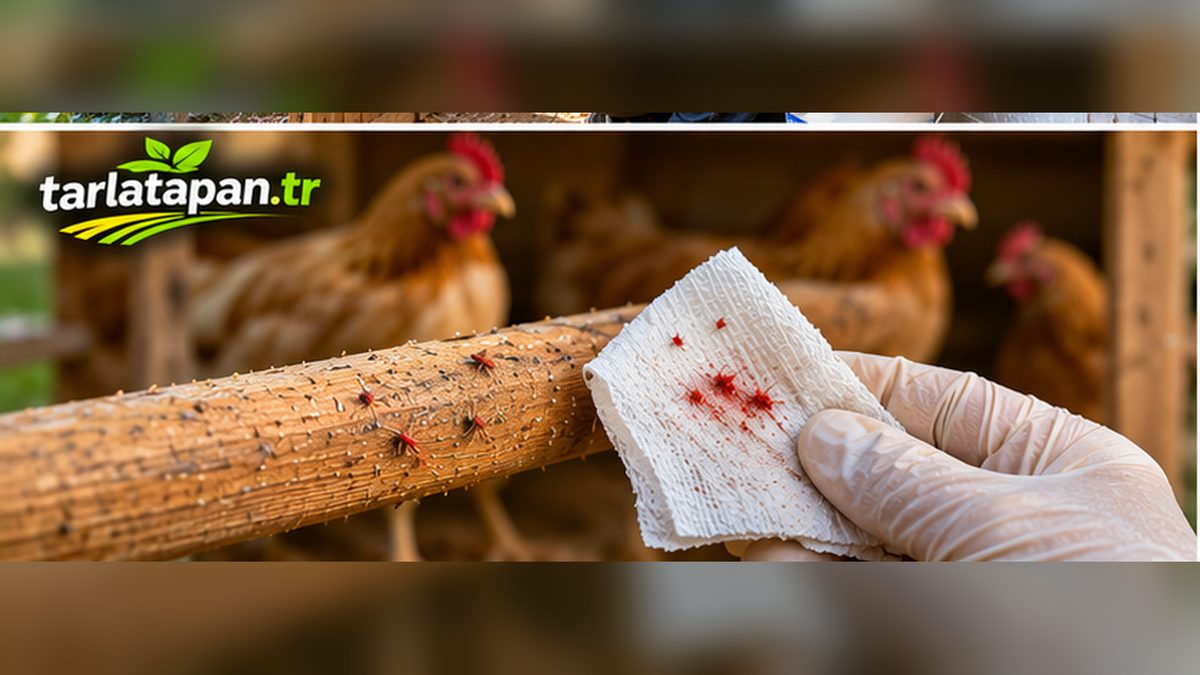
Healthy chickens are active, alert and have bright eyes and clean feathers. Check birds every day. Common problems include mites and lice, worms and egg-laying issues.
Australia had outbreaks of H7 high pathogenicity bird flu in commercial flocks in 2024 and 2025. Agriculture Victoria declared the most recent Victorian outbreak eradicated in June 2025. Researchers at the University of Sydney say backyard infections are possible but unlikely. Good biosecurity still matters:
- Keep wild birds away from feed and water.
- Clean feeders, drinkers and the coop regularly.
- Wash hands and change shoes after visiting other flocks.
- Report sudden unexplained deaths to a vet or the Emergency Animal Disease Hotline (1800 675 888).
What is the 90/10 rule for chickens?
The 90/10 rule means that about 90 per cent of a chicken's diet should be a complete layer feed and no more than 10 per cent treats, kitchen scraps and garden greens. It keeps hens laying well and prevents nutritional problems.
Layer pellets or crumbles are balanced for protein, calcium and vitamins. Too many treats, bread or scraps dilute this balance, which can lead to fewer eggs, thin shells and overweight hens. Offer treats in the afternoon after hens have eaten their main feed, and never feed anything mouldy, salty or containing avocado.
Will I get rats if I keep chickens?
Chickens do not attract rats themselves, but spilled feed and kitchen scraps do. With good feed management, most backyard flocks stay rat-free.
- Use a treadle or rodent-proof feeder and bring feed in or close it up at night.
- Store feed in metal bins with tight lids.
- Only give as many scraps as hens finish within about half an hour.
- Build the coop on a concrete slab or with wire mesh under the floor.
- Collect eggs daily and clean up spilled grain.
How many chickens do I need for two eggs a day?
For about two eggs a day, most households need three to four laying hens. A good layer produces around four to six eggs a week at her peak, and fewer in winter and during the moult.
Production also drops as hens age, usually after their second or third year. If you want a steady supply, add a couple of young hens every year or two.
All Australian Backyard Chicken Guides
- Best Chicken Breeds for Australia
- Australorp Chicken
- Backyard Chicken Rules in Australia
- Keeping Chickens Cool in Summer
- Fox-Proof Chicken Coop
Frequently Asked Questions
Do you need a permit to keep chickens in Australia?
It depends on your council. Many councils allow a small number of hens without a permit, while some, such as Brisbane, use a free self-assessed permit for larger numbers. Check your local council rules before buying birds.
How many chickens can I have in my backyard?
The limit is set by your council and often ranges from about 5 to 10 hens on a normal suburban block. Larger blocks may allow more. Roosters are banned in many residential areas.
What is the best chicken breed for beginners in Australia?
The Australorp is one of the best breeds for beginners in Australia. It is calm, hardy in heat and cold, and lays well. ISA Browns are also popular for high egg production.
How many eggs does a backyard chicken lay?
A good laying hen can lay most days in her first year or two. Australorps are often said to lay around 250 eggs a year when well cared for. Laying slows in winter and during the moult.
Can backyard chickens get bird flu in Australia?
Backyard chickens can catch bird flu, but researchers say it is unlikely. Keep wild birds away from feed and water, clean the coop regularly and report sudden deaths to a vet or the Emergency Animal Disease Hotline.
TarlaTapan guides focus on practical, field-tested growing advice. Corrections and suggestions are welcome at info@tarlatapan.tr.