How Do You Keep Chickens Cool in an Australian Heatwave?
How do you keep chickens cool in an Australian heatwave? How hot is too hot, signs of heat stress, shade, water, coop at night and what not to do.
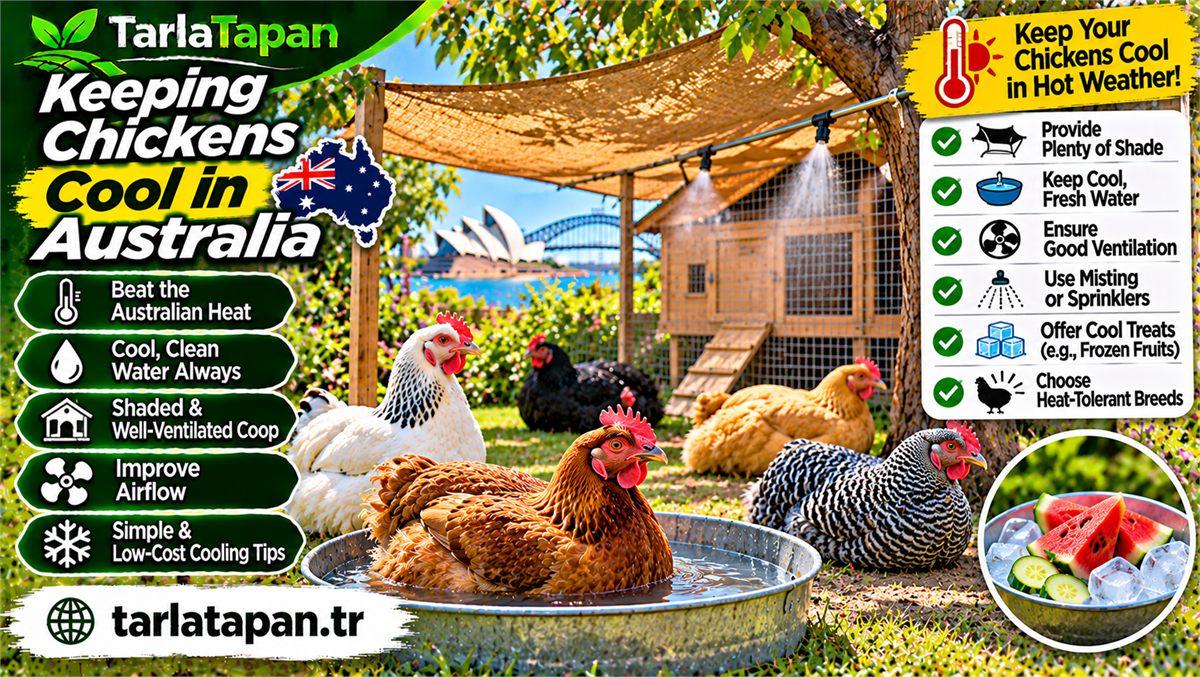
How Do You Keep Chickens Cool in an Australian Heatwave? Keeping chickens cool is one of the most important jobs for Australian backyard keepers. Chickens cannot sweat, and Agriculture Victoria warns that poultry can die from heat stress on very hot days. The keys are deep shade, cool fresh water and good airflow. This guide explains the warning signs and practical ways to protect your flock in a heatwave.
Why heat is dangerous for chickens
Chickens lose heat mainly by panting and by holding their wings away from their bodies. Their feathers trap heat, and they have no sweat glands. Once the air is hotter than their body can shed, their temperature rises quickly.
Humidity makes it worse. Agriculture Victoria notes that heat stress can occur even at moderate temperatures when humidity is high, because panting works less well in moist air.
Signs of heat stress in chickens
- Panting with an open beak
- Wings held out from the body
- Standing still in shade, not moving around
- Drinking much more than usual
- Eating less
- Pale comb and wattles
- Laying fewer eggs or soft-shelled eggs
- In severe cases, staggering, collapse or fitting
If a bird is lethargic, collapsing or unresponsive, act immediately.
Provide deep shade
Shade is the most important protection. Put the run where it gets shade in the afternoon, or add shade cloth over the top and the western side. Trees, shrubs and vines also cool the area.
Make sure every bird can reach shade at the same time. Bossy hens may push others out of small shady spots.
Cool water in several places
Water is critical. South Australian guidance notes that heat-affected birds reject warm water, so keep water cool. Ideas that help:
- Place several drinkers in the shade.
- Refill water during the day.
- Add ice cubes or a frozen water bottle to the drinker.
- Use larger drinkers so water stays cooler for longer.
Coop ventilation
A hot, closed coop can be deadly. Make sure hot air can escape through high vents or a mesh panel near the roof. Keep the coop shaded and, if possible, open extra vents on hot nights while keeping it fox-proof.
Avoid metal roofs in full sun unless they are insulated or shaded.
Other ways to cool chickens
- Wet the ground: damp soil or mulch in a shady area gives birds a cool place to stand.
- Misters: a fine mister or sprinkler on the run helps in dry heat, less in high humidity.
- Frozen treats: frozen fruit or vegetable pieces, such as watermelon, give a little cooling and keep birds drinking.
- Shallow water trays: some hens like to stand in a tray of cool water.
What not to do
- Do not feed lots of grain on hot days; digesting it produces body heat.
- Do not handle or move birds in the heat of the day unless necessary.
- Do not lock birds in a hot, closed coop during the day.
- Do not spray birds with icy water; it can shock them.
Emergency care for a heat-stressed hen
If a hen is badly heat-stressed, move her to a cool, shaded spot with airflow. Offer cool water and gently wet her legs, comb and under the wings with cool, not icy, water. Agriculture Victoria advises moving affected animals into shade and giving clean, cool water. Call a vet if she does not recover quickly.
Choose heat-tolerant breeds for hot areas. See the best chicken breeds for Australia and our main guide to backyard chickens in Australia.
How hot is too hot for chickens?
Chickens start to feel heat stress at around 30 °C, and temperatures above about 35 °C can become dangerous, especially with high humidity. Heavy breeds, old hens and birds with dark feathers are most at risk.
Chickens cannot sweat. They cool themselves by panting, holding their wings away from the body and drinking more water. When these mechanisms are not enough, their body temperature rises quickly and they can collapse.
Can chickens get too hot in their coop at night?
Yes, a closed coop can stay very hot at night after a heatwave day, because the roof and walls release stored heat. Poor ventilation makes it worse.
Make sure the coop has high vents on opposite sides that let hot air escape, covered with fox-proof mesh. Shade the roof during the day with shade cloth or plants, or paint it a light colour. On extreme nights, check that birds are not panting heavily after dark.
Should you put coffee grounds in a chicken coop?
No, it is better not to put coffee grounds in a chicken coop. Caffeine is toxic to birds, and chickens may peck at the grounds.
Some people use coffee grounds to reduce smells or deter insects, but safer options exist. Keep bedding dry, remove droppings regularly and use materials such as straw, sugarcane mulch or wood shavings. Dry bedding is the best way to keep both smell and flies down in summer.
Frozen treats for hot days
Frozen treats help chickens cool down and keep them busy during the heat of the day. Offer them in the shade.
- Frozen watermelon or cucumber pieces.
- Ice blocks with chopped greens or berries frozen inside.
- A shallow tray of cool water to stand in.
Keep treats small, in line with the 90/10 feeding rule, so hens still eat their layer feed.
More Backyard Chicken Guides
- Backyard Chickens in Australia
- Fox-Proof Chicken Coop
- Best Chicken Breeds for Australia
- Australorp Chicken
Frequently Asked Questions
What temperature is too hot for chickens?
Chickens start to struggle in hot weather, especially when humidity is high. Watch for panting and wings held out, which show they are heat-stressed. On very hot days, poultry can die without shade and cool water.
How do I know if my chicken is too hot?
A hot chicken pants with an open beak, holds its wings out from its body, stands still in shade and drinks a lot. Severe cases stagger or collapse and need urgent cooling.
Should I put ice in my chickens' water?
Yes, adding ice or a frozen water bottle helps keep water cool on hot days. Hens drink more when water is cool, which helps them cope with heat.
Can you spray chickens with water to cool them?
You can use a fine mist or wet the ground in a shady area, and gently wet a stressed hen's legs and comb. Avoid icy water, and remember misting helps less in humid weather.
Do chickens stop laying in hot weather?
Yes, chickens often lay fewer eggs during heatwaves, and shells can be thinner. Laying usually returns once temperatures fall and birds are well fed and watered.
TarlaTapan guides focus on practical, field-tested growing advice. Corrections and suggestions are welcome at info@tarlatapan.tr.