Can Kangaroos Be Farmed in Australia? Kangaroos, Farmers and Management
Can kangaroos be farmed in Australia? Why kangaroo meat is wild-harvested, how kangaroos affect farms, culling licences and non-lethal options for farmers.
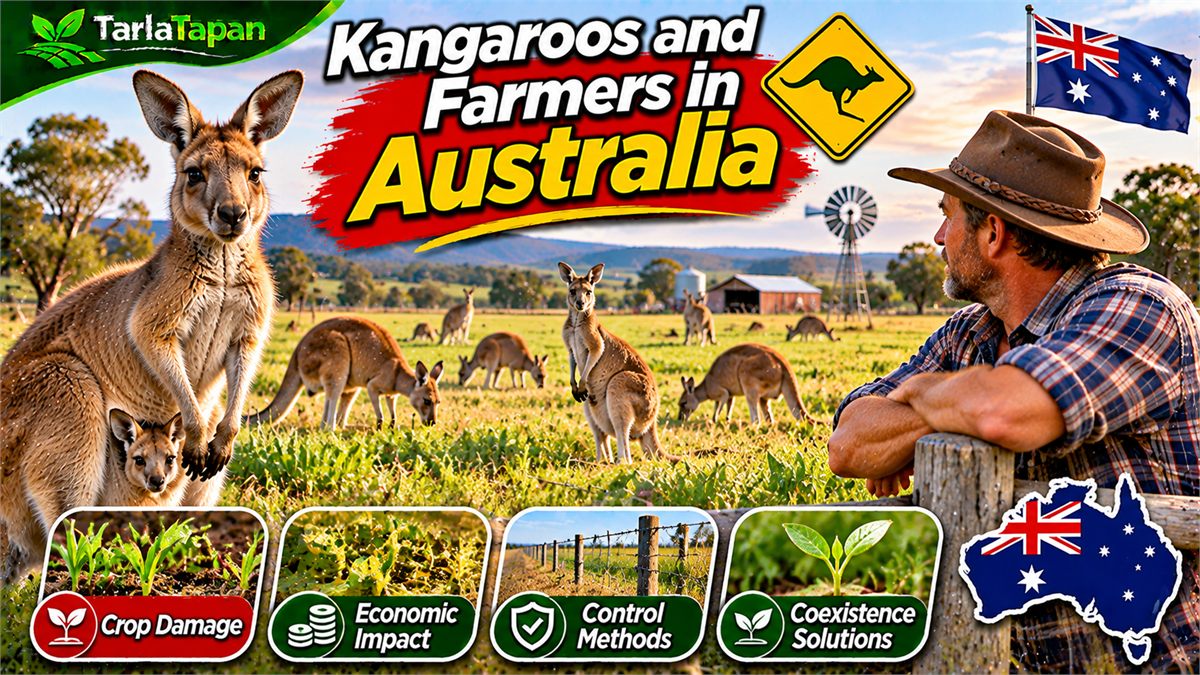
Can Kangaroos Be Farmed in Australia? Kangaroos and farmers share much of rural Australia, and the relationship is complicated. Kangaroos are protected native animals and a national symbol, but in many grazing areas their numbers are high. Farmers often see them competing with sheep and cattle for pasture and water, damaging fences and grazing crops. This guide explains the impacts and how kangaroo numbers are managed.
Why kangaroo numbers are high on farms
Farming has, in many ways, helped kangaroos. Clearing land created more grassland, and farm dams and troughs provide water across dry country. In good seasons, kangaroo numbers can rise quickly.
In droughts, numbers can crash as feed and water run out. Large swings in population are normal in dry inland Australia.
How kangaroos affect farms
- Pasture competition: kangaroos graze the same grass as sheep and cattle, especially in dry times when green feed is scarce.
- Water: kangaroos drink from dams and troughs in droughts, though they need far less water than livestock.
- Crops: kangaroos graze young cereal crops and improved pastures.
- Fences: kangaroos push through or under fences, damaging them and letting stock out.
- Erosion: very high grazing pressure in droughts can leave ground bare.
Kangaroos and livestock compared
Research comparing red kangaroos and sheep shows the two eat in different ways. Kangaroos use much less water; one study found they used only about 13% of the water sheep needed. Kangaroos and sheep overlap most in diet when green feed is scarce, which is exactly when competition hurts farmers most.
How kangaroo numbers are managed
All kangaroos are protected, but state governments allow control in some areas. Management usually includes:
- Population surveys: aerial and ground surveys estimate numbers in each region.
- Commercial harvest quotas: licensed harvesters may take a set proportion of the population each year for meat and skins.
- Damage mitigation permits: landholders can apply for permits to reduce kangaroos causing damage.
In New South Wales, the 2024 commercial harvest was about 544,000 kangaroos across all species and zones. The state reported this as around 5.6% of the estimated population and only about 36% of the allowed quota. In Western Australia, quotas are set from population estimates adjusted for rainfall and harvest.
Non-lethal options for farmers
- Exclusion fencing: tall, strong fences around high-value paddocks or crops keep kangaroos out.
- Water management: closing off or fencing some troughs in dry times reduces the area kangaroos can use.
- Grazing management: rotating stock and resting paddocks helps pasture recover.
- Crop placement: placing sensitive crops away from bushland edges reduces grazing.
These options can be costly, so many farmers use a mix of approaches.
Kangaroos on the road
Kangaroos are a common cause of vehicle collisions in rural Australia, especially at dawn and dusk. Drivers should slow down in kangaroo areas at these times. If you hit a kangaroo, check the pouch for a joey if safe and call a wildlife rescue group.
Kangaroo meat and skins
Meat and skins from the commercial harvest are sold in Australia and overseas. Kangaroo meat is lean and high in protein. The commercial industry operates under state management plans and national rules.
For more about kangaroos, read our main kangaroo facts guide and what kangaroos eat.
Can kangaroos be farmed in Australia?
No, kangaroos are not farmed in Australia. All kangaroo meat and leather comes from wild populations that are harvested under government-approved management plans and quotas.
Farming kangaroos like sheep or cattle would not work well. They need large areas, jump over normal fences and do not handle yarding and transport the way livestock does. Wild harvesting by licensed shooters is therefore the only commercial system.
Is supermarket kangaroo meat farmed?
No, kangaroo meat sold in Australian supermarkets also comes from wild kangaroos, not from farms. It is harvested in the field by licensed professional shooters and processed in approved facilities.
Only a few large species may be harvested commercially, and annual quotas are set from population surveys. The meat is checked under food safety standards like other meat. Labels usually describe the product as wild-harvested.
Can farmers shoot kangaroos on their property?
Farmers can only cull kangaroos on their property with a licence or permit from the state government. Kangaroos are protected native animals in every state and territory.
Rules differ between New South Wales, Queensland, Victoria, South Australia and Western Australia. Typically, landholders must show the damage kangaroos cause, follow a national code of practice for humane shooting and keep records. Check the current requirements with your state environment department before taking any action.
Do kangaroos compete with sheep and cattle?
Kangaroos compete with livestock for grass mainly in dry times, when feed is short. In good seasons, there is usually enough pasture for both.
During drought, high kangaroo numbers can make it harder for farmers to keep stock alive and protect ground cover. Kangaroos also drink from farm dams and troughs. On the other hand, they have soft feet and graze less heavily than hard-hoofed livestock, so their impact on soil is smaller.
Does kangaroo fencing work?
Special kangaroo-proof or exclusion fencing can keep kangaroos out of paddocks, crops and water points, but it is expensive to build and maintain. It works best for smaller, high-value areas rather than whole properties.
Effective fences are taller than normal stock fences, often with mesh at the bottom so kangaroos cannot push underneath. In parts of Queensland and South Australia, groups of neighbouring farmers have built cluster fences that also keep out wild dogs. Gates and creek crossings are the weak points and need regular checks.
A cheaper approach for small areas is electric fencing with several live wires at different heights. Kangaroos quickly learn to avoid it, but it must be kept switched on and free of vegetation.
More Kangaroo Guides
Frequently Asked Questions
Why do farmers not like kangaroos?
Many farmers say kangaroos compete with sheep and cattle for pasture and water, damage fences and graze crops, especially in dry years. Others value kangaroos and manage them alongside their stock.
Is it legal to shoot kangaroos in Australia?
Kangaroos are protected, but states allow licensed commercial harvest and issue damage mitigation permits to landholders in some cases. Shooting without the right licence or permit is illegal.
How many kangaroos are harvested each year?
It varies by state and year. In New South Wales, the 2024 commercial harvest was about 544,000 kangaroos, reported as around 5.6% of the estimated population.
Do kangaroos compete with sheep?
Yes, especially in dry times. Kangaroos and sheep both eat grass, and their diets overlap most when green feed is scarce. Kangaroos need much less water than sheep.
How do you keep kangaroos out of a paddock?
The most reliable way is a tall, strong exclusion fence. Managing water points and resting paddocks also helps. Small gaps under fences should be blocked, as kangaroos push underneath.
TarlaTapan guides focus on practical, field-tested growing advice. Corrections and suggestions are welcome at info@tarlatapan.tr.