Do Almonds Need a Pollinator? Bees, Hives and Timing in Australia
Do almonds need a pollinator? Self-fertile vs traditional varieties, bees and hives per hectare, flowering time, varroa mite and pollinating a backyard tree.
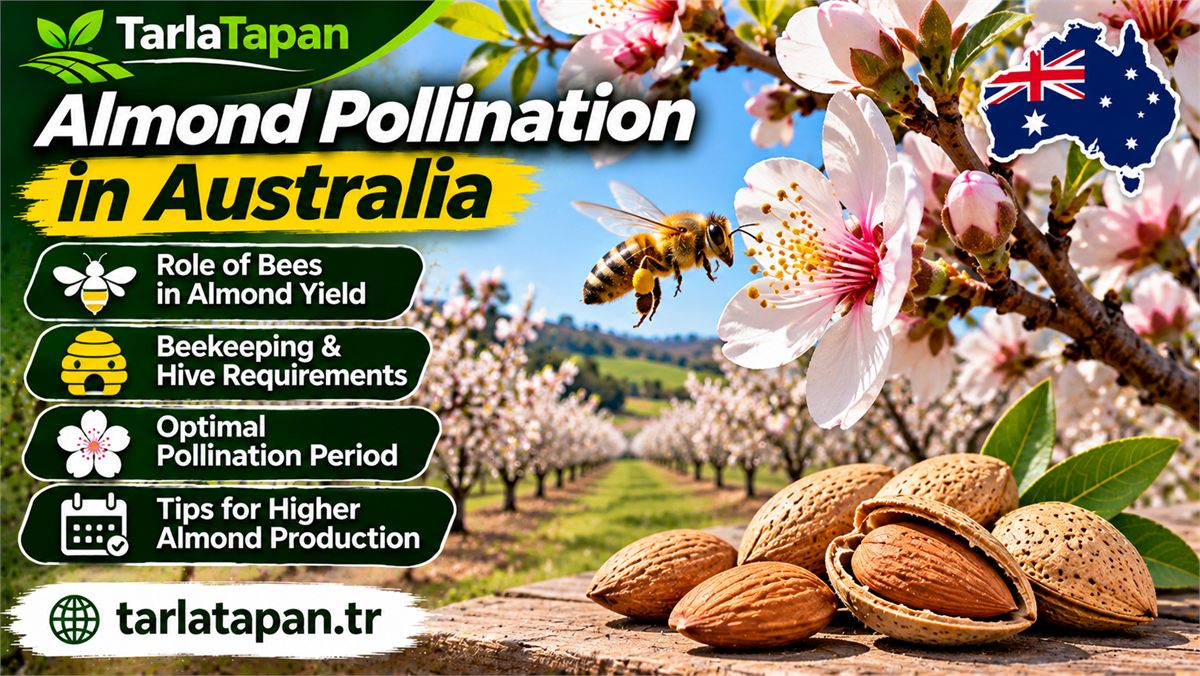
Do Almonds Need a Pollinator? Almond pollination in Australia depends heavily on honey bees. Almonds flower in August, and most varieties need bees to carry pollen from one variety to another. Each year, beekeepers move hives into the orchards of the Murray Valley for the bloom. This guide explains how pollination works, how many hives are used and how to get a backyard tree to set nuts.
Why almonds need bees
Most almond varieties cannot set nuts with their own pollen. They need pollen from a different, compatible variety. Bees carry that pollen between rows as they feed on the flowers.
Wind does little for almond pollination. Without enough bees, many flowers never set nuts, and the crop is small even if the trees look healthy.
When do almonds flower in Australia?
Almonds in Australia flower in August. They are one of the earliest crops to bloom in spring. The bloom lasts a few weeks, and hives usually stay in orchards for about three to four weeks.
Early flowering brings a risk. Cold, wet or windy weather in August keeps bees in the hive. Frost can also damage flowers. Growers watch the weather closely during bloom.
How many beehives per hectare for almonds?
Australian almond growers commonly use about 6 to 7 hives per hectare. A CSIRO-led research project found the best nut set at around 6.7 hives per hectare, with smaller groups of hives spread more evenly through the orchard.
One South Australian grower reported bringing about 4,000 hives to a 700-hectare property, which is about 6.5 hives per hectare. Across the whole industry, the demand runs to hundreds of thousands of hives each August.
How growers improve pollination
- Plant pollinator rows: rows of varieties such as Carmel and Price beside Nonpareil.
- Spread hives evenly: smaller groups placed closer together work better than a few large stacks.
- Strong hives: healthy, active colonies visit more flowers.
- Avoid sprays during bloom: insecticides can harm bees. Follow label rules for flowering crops.
- Provide water: bees need a clean water source near the orchard.
Self-fertile almonds and bees
Self-fertile almond varieties can set nuts with their own pollen. More than a quarter of new almond trees planted in Australia in recent years are self-fertile. These orchards need fewer hives, which lowers costs and reduces the risk when bee supply is short.
Bees still help self-fertile trees. They move pollen within flowers and between trees, which often improves the crop.
Pollinating a backyard almond tree
In a backyard, the easiest way to get nuts is to plant a self-fertile variety such as All-in-One or Garden Prince. If you grow a variety that needs a partner, plant a second compatible variety close by.
You can help pollination in a few ways:
- Plant flowers nearby that bloom in late winter to draw bees in.
- Avoid insecticide sprays while the tree is in flower.
- On calm, dry days, brush flowers gently with a small paintbrush to move pollen.
For choosing a tree, see our guide to the best almond varieties for Australia. For full care, read growing almond trees in Australia.
Do almonds need a pollinator?
Yes, most almond varieties need pollen from a different, compatible variety and bees to carry it. Only self-fertile varieties can set nuts with their own pollen.
This is why traditional almond orchards are planted in alternating rows of the main variety and its pollinators, and why so many beehives are brought into almond regions during flowering.
What does varroa mite mean for almond pollination?
Varroa mite, a serious parasite of honey bees, was detected in New South Wales in 2022 and is now being managed rather than eradicated. It is expected to increase the cost and effort of keeping healthy hives for pollination.
Almond pollination is the largest single pollination event in Australia, so it depends heavily on beekeepers. Growers are responding with more self-fertile varieties, better hive management and support for native and alternative pollinators. Follow your state's current varroa rules if you keep bees.
How do bees find almond flowers?
Bees find almond flowers by scent and colour and by communicating with each other inside the hive. Almonds flower early, so in cool, wet or windy weather bees fly less and pollination suffers.
Growers place hives in sunny, sheltered positions within the orchard and avoid spraying insecticides during flowering. Providing clean water near the hives also keeps bees working.
How long does it take for an almond tree to fruit after flowering?
After pollination in late winter, almonds take around six to seven months to mature. In Australia, flowering in July and August is followed by harvest from about February to April.
The young nuts grow quickly in spring, the kernel fills in early summer and the hull splits in late summer, signalling that harvest is close.
Pollinating a backyard almond tree by hand
If few bees visit your tree, you can pollinate almond flowers by hand with a soft paintbrush on a dry, mild day. Brush pollen from fully open flowers and dab it onto the centre of other open flowers.
For varieties that need a partner, collect pollen from the second variety and transfer it to the first. Repeat every couple of days while the tree is in full bloom. Planting early-flowering herbs and natives nearby also helps attract bees in late winter.
More Australian Almond Guides
- Growing Almond Trees in Australia
- Where Are Almonds Grown in Australia?
- When to Harvest Almonds in Australia
- How Much Water Does an Almond Tree Need
Frequently Asked Questions
Do almond trees need bees to produce nuts?
Most almond varieties need bees to carry pollen from another variety. Without bees, very few nuts form. Self-fertile varieties can set nuts with their own pollen, but bees still improve the crop.
How many hives per hectare do almonds need in Australia?
Australian almond growers commonly use about 6 to 7 hives per hectare. Research led by CSIRO found the best results at about 6.7 hives per hectare, spread evenly through the orchard.
When are bees moved into almond orchards?
Bees are moved into Australian almond orchards for the August bloom. Hives usually stay for about three to four weeks while the trees flower.
Can one almond tree pollinate itself?
Only self-fertile varieties can pollinate themselves. All-in-One, Garden Prince and Shasta are common self-fertile types. Varieties such as Nonpareil need another variety nearby.
Why did my almond tree flower but not produce nuts?
The usual causes are poor pollination, a missing partner variety or frost during flowering. Cold, wet weather in August also keeps bees inside. Planting a self-fertile variety solves the partner problem.
TarlaTapan guides focus on practical, field-tested growing advice. Corrections and suggestions are welcome at info@tarlatapan.tr.